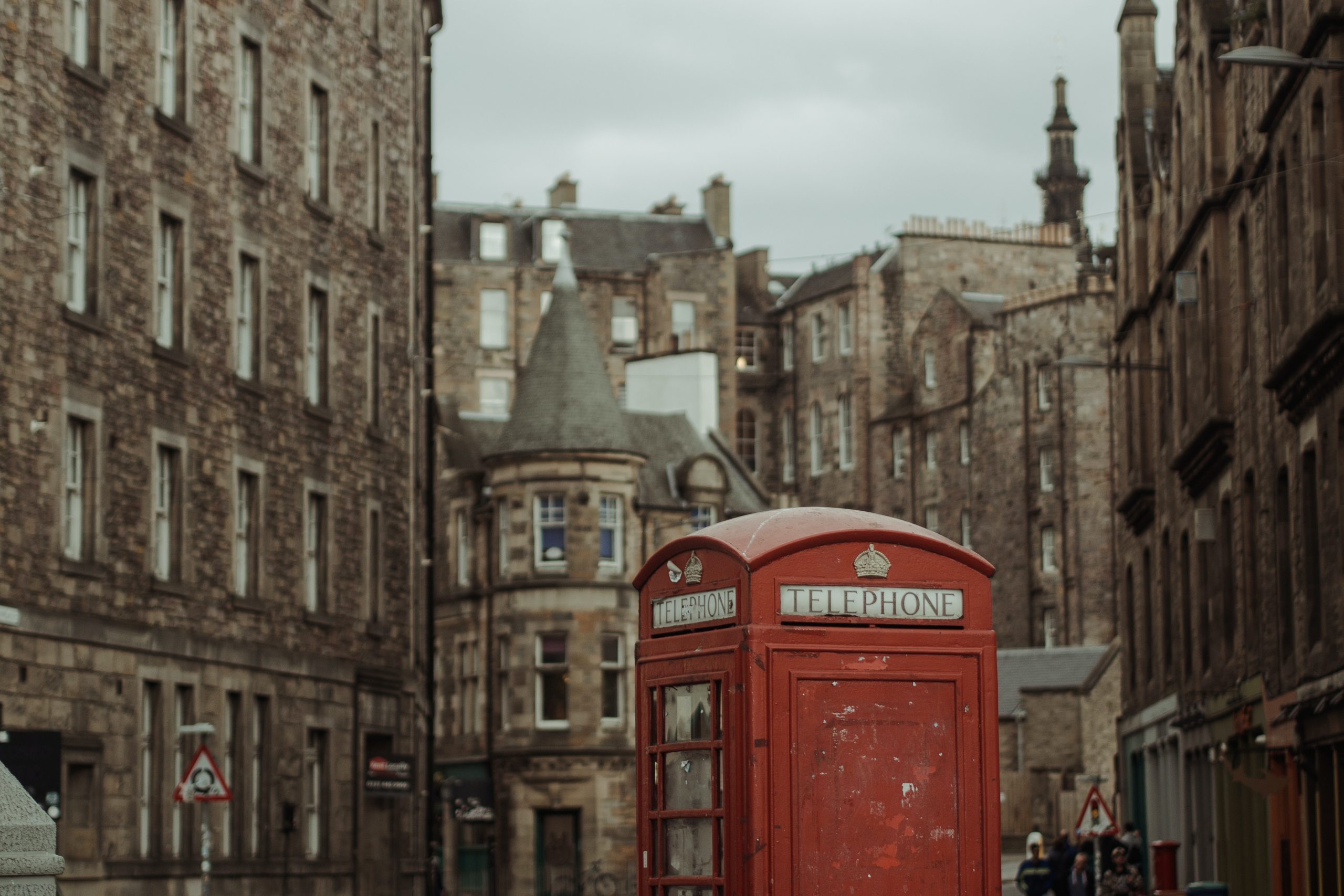
Tenby is probably the most attractive town in West Wales, which can be seen by the number of visitors each summer. The town has a long history, with its castle being in a prominent position overlooking the sea, and the ancient town walls still standing. As a popular beauty spot in Victorian times, Tenby played host to a number of important families, and this can be seen in the large proportion of Officers on the War Memorial, which is sited at Trafalgar Gardens. Many Thanks to Les Nixon for his much appreciated photos of the War Memorial panels from which the names of the fallen were taken.

Tenby War Memorial

The Great War, 1914-1918

Robert Dudley Ackland, Private, 19653, Royal Welsh Fusiliers. Robert was born in Tenby, and enlisted in London into the 8th Battalion, Royal Welsh Fusiliers, who had been formed at Wrexham in August, 1914 as part of the 40th Brigade, 13th (Western) Division. The Division moved to Mudros in July, 1915 and from there moved to Gallipoli between the 6th to the 16th July, landing at Cape Helles. The Division then moved to the ANZAC sector, and fought at the Battles of Sari Bair, Russell's Top, and Hill 60. They moved again, to Suvla, but were evacuated on the 19th December, and moved to Helles again for a rest, but it was at Helles that they faced the last Turkish attacks, where Robert was killed in action on the 6th January, 1916. He is buried at Twelve Tree Copse Cemetery. Many thanks to Gil Jones for the photo.


Albert Edgar Adams, Engine Room Artificer 3rd Class, D/M122, Royal Navy. Albert was born in Tenby, and served in the Royal Navy aboard HMS Hollyhock, which was an Acacia Class Sloop, launched on 1st May 1915 as a Minesweeper. She was on duty in the Far East when Albert was taken ill. He was brought ashore to the Military Hospital at Kranji for treatment, but sadly died there on the 1st June 1921. Albert was 28 years old, and is buried at Kranji War Cemetery, Singapore. Not on Memorial.


George Young Allen, MID, C.Q.M.S., 7658, Royal Berkshire Regiment. George was born at Blewsbury, Berkshire, the son of an agricultural labourer, and was bought up and lived with his Grandparents, Stephen & Emma, in South Street, Blewsbury. George met and married Florence Selina Ollin in 1915, the daughter of Ebenezer Ollin, a Police Sergeant from Tenby. The Ollins had moved to Willesden at the turn of the century, and Florence had been born in Poplar. She married George back in Tenby, where the couple set up home at 8, Queen's Parade, Tenby. George was a career soldier, who had originally enlisted at Reading into the 1st Battalion, Royal Berkshire Regiment, who were in Aldershot at the outbreak of war, part of 6th Brigade, 2nd Division. The Division were one of the first in France, and fought at the Battle of Mons, and during the epic fighting retreat to the Marne, where the BEF held the German attack. The Germans pulled back, and were stopped again on the Aisne, forming the basis of the Western Front line for the duration of the war. After holding the German Advance toward Paris, the 2nd Division moved to Flanders, and fought at First Ypres. They spent the winter in Flanders, and in May, 1915 fought in the Battle of Festubert. They then fought at Loos in September and remained in the area throughout the winter of 1915/16, before moving to the Somme in July, 1916, where they fought at Delville Wood and the Ancre. They followed the German retreat to the Hindenburg Line in March, 1917 and then fought at the opening move of the Arras Offensive, where George was killed in action during the Battle of the Scarpe, when a German shell burst on their lines, killing George and six other men, on the 25th April, 1917. George was 32, and is remembered on the Arras Memorial. George was Mentioned in Despatches a month after his death, but the details were not recorded.


Richard Allen, Gunner, 43600, Royal Garrison Artillery. Richard was born in Tenby, the Son of Ben and Sarah Allen. He enlisted at Liverpool into the Royal Garrison Artillery, and was posted to their 16th Heavy Battery. Not much is known as yet of the work of the 16th Heavy Battery, but Richard was wounded during the Battle of the Scarpe, and Died of Wounds on the 28th April, 1917 aged 31. He is buried in Aubigny Communal Cemetery Extension. Not on Memorial.


Richard Lancelot Baugh Allen, Lieutenant, Royal Field Artillery. Richard was the Son of His Honour Judge Wilfred Baugh Allen, of Irosemount, Tenby. He had received a commission into the Royal Field Artillery, and was posted to the 67th Brigade, RFA,   which was attached to the 13th (Western) Division. The Division moved to Mudros in July, 1915 and from there moved to Gallipoli between the 6th to the 16th July, landing at Cape Helles. The Division then moved to the ANZAC sector, and fought at the Battles of Sari Bair, Russell's Top, and Hill 60. They moved again, to Suvla, and on the 15th October, 1915 the 67th Brigade, RFA joined the 10th Division in Salonika. They remained in Salonika until early September, 1917 when they moved to Egypt. They then spent the remainder of the war fighting in Palestine, until then end of the war, when they moved back to Cairo. Richard Died of illness here on the 27th December, 1918 aged 31, and is buried at Cairo War Memorial Cemetery, Egypt. Not on Memorial.


Ferguson Barclay, Captain, Royal Air Force. Ferguson was the Son of Captain H.F.D. Barclay, 63rd Regiment, and Mrs. A. Hermione Barclay of Manor Mead, Weston-super-Mare. He was educated at St. Peter's, Weston-super-Mare, and at Malvern College before being commissioned into the Somerset Light Infantry at the outbreak of war. Ferguson was then transferred into the Royal Defence Corps, before being promoted to Captain with the Royal Air Force. It was while in their service that Ferguson was wounded during a flying accident. He was hospitalised at Harling Road Hospital, Norfolk, but sadly died there on the 7th December, 1918. Ferguson is buried at Weston-Super-Mare Cemetery, Somerset.


William Beadon, Lieutenant-Colonel, Indian Army. William was the Son of Gen. E. M. Beadon of the 85th K.S.L.I., and the husband of Joanna E. Beadon (nee Ballard), of 74, Lexham Gardens, London. At the outbreak of war he was Commanding Officer of the 51st Sikhs (Frontier Force), attached to 28 Infantry Brigade, Meerut Division, based at Murree. The 51st Sikhs served on the Suez Canal for a while, before moving into Mesopotamia, attached to the 7th Division of Major General Younghusband. In December 1915 a British Division had retreated into the town of Kut-el-Amara, where they became besieged by Turkish forces. Several attempts were made to try and relieve the beleaguered force, but to no avail. William was killed in action during the first attempt to relieve Kut, during the Battle of Wadi on the 13th January 1916. He was 49 years old, and is buried at Amara War Cemetery, Iraq.


Lionel William Richard Benson, Gunner, 371219, Royal Garrison Artillery. Lionel was the Eldest Son of William Walter Benson and Mary Anne Benson, of Gaspard House, Clarbeston Road, Tenby. He had enlisted at Milford Haven into the Royal Garrison Artillery, and been posted to their 68th Siege Battery in France. The Battery were armed with the 30 cwt 6" Howitzer, and they fought during the Gommecourt Offensive in July, 1916. After spending the remainder of 1916 on the Somme, the Battery moved to Arras, which is where Lionel was wounded. Lionel died of wounds on the 30th April, 1917 aged 23, and is buried in Ste. Marie Cemetery, Le Havre.


Howard Benjamin Best, Private, 379343, Labour Corps. Howard was born at Camden Town, London, but resided in Tenby prior to the Great War, and enlisted at Carmarthen into the Royal Fusiliers, serving in their Training Battalion. He transferred into the Labour Corps, serving with the 260th Area Employment Company, and was taking part in the Battle of Cambrai when he died on the 4th December, 1917. He is buried in Toutencourt Communal Cemetery.


Henry L. Bevan, Private, 5444, Pembroke Yeomanry. Henry was born in Laugharne, the Son of William and Sarah Bevan. He was the husband of Kate Bevan, of Frog Street, Tenby. Not much is known of him, but he served during the Great War with the Pembroke Yeomanry, probably on Home Service due to his age. He died at home on 27 August 1918 aged 45, and is buried at Tenby (St. Mary) Church Cemetery.


Harold Berkeley Beynon, Private, 33181, Hampshire Regiment. Harold was the Son of Thomas and Laura Annie Beynon, of Holloway, Penally. He later resided at St. Johns Hill, Tenby. Harold served with the 10th Battalion, Hampshire Regiment, which was formed at Winchester in August 1914. The Battalion then became attached to 29 Brigade, 10th Division, and on 7 July 1915 sailed from Liverpool, arriving at Mudros 26 July 1915. The Battalion landed on Gallipoli on 6 August 1915, and fought there for a month before being sent to Salonika, where it joined 82 Brigade, 27th Division. Harold became ill with malaria while in Salonika and returned home for treatment. His service papers show that he was discharged in 1919 due to malaria. Sadly Harold died of malaria soon after, in June 1919. He was 21 years old. No more is known of where he was buried, as he is not commemorated by the Commonwealth War Graves Commission.


Thomas Charles Bickerstaff, Private, 19861, Welsh Regiment. Thomas was born at Brixton in Surrey, and resided at Milton prior to the war. He enlisted at Pembroke into the Army, and joined the 15th Battalion of the Welsh Regiment, the 'Carmarthen Pals'. The battalion was raised in October 1914 and formed at Rhyl, where it became part of 114 Brigade, 38th (Welsh) Division, and embarked to France in December, 1915. After several months training in the 'Nursery Sector' around Fleurbaix, the division moved south to take part in the Battle of the Somme, and were allotted the task of taking the strongly defended Mametz Wood. The first attack went in on 7 July 1916, but it wasn't until 11 July that the wood was finally cleared, after much bloodshed. Thomas was killed in action just after the division was withdrawn from the wood, on 14 July 1916. His grave was lost during the continued fighting on the Somme, and so Thomas is commemorated on the Thiepval Memorial, France.


William Henry Bodill, Bandsman, 5629, 10th Prince Of Wales' Own Royal Hussars. William was the Son of William and Charlotte Elizabeth Bodill, of Folkestone, Kent. He was residing in Saundersfoot prior to the outbreak of war, and enlisted at Cardiff into the 10th Prince Of Wales' Own Royal Hussars, who were stationed in South Africa at the start of the war. In August, 1914 they sailed from Cape Town, and upon their arrival in England joined 6th Cavalry Brigade, 3rd Cavalry Division. On the 8th October the Division landed at Ostend, where they fought during the Defence of Antwerp. The then moved to Ypres, where they took part in First Ypres, and in 1915 fought at Second Ypres and the Battle of Loos. They were in reserve on the Somme, waiting for the breakthrough that never came, when William was wounded. He was brought back to the Casualty Clearing Station, where he died of Wounds on the 10th October, 1916 aged 25. He is buried at Contay British Cemetery, Contay. William is also commemorated on the Saundersfoot War Memorial.


Walter Borrowes, Lieutenant, Royal Navy. Walter was born at Tenby, and served in the Royal Navy aboard H.M. Submarine C31. At the beginning of January 1915 C31 sailed from Dover to patrol off Zeebrugge. The submarine was due to arrive at Harwich on 7th January, which she failed to do. No further contact was made and a search conducted by the Destroyers Lercher and Firedrake and the Royal Navy Air Service failed to locate the submarine or any survivors. She had in fact grounded off Zeebrugge on the 4th January 1915 and was destroyed by German land batteries. Walter is recorded by the CWGC as having died on the 7th January 1915, but was in fact killed on the 4th when C31 was destroyed. He is commemorated on the Portsmouth Naval Memorial.


Percy William Innes Boswell, Sergeant, 1764, Manchester Regiment. Percy was born at Tenby, the Son of James Grinton Smith Boswell and Jane Kay Boswell, of 58, Llanfair Road, Canton, Cardiff. He had graduated from the Welsh University with a B.Sc., and had moved to Cardigan prior to the war. Percy enlisted at Manchester into the 1st/6th Battalion, Manchester Regiment, which was attached to the 127th Brigade, 42nd (East Lancashire) Division. The Division sailed from Southampton on the 10th September, 1914 to Egypt, to garrison the Suez Canal. Arriving on the 25th September, the Division concentrated around Cairo, leaving the Manchester Brigade at Alexandria. They remained in Egypt until April, 1915, and on the 1st May embarked at Alexandria to join the Gallipoli expedition. On the 6th May the Division landed at Cape Helles, and from that time on fought continuously through the campaign, where Percy was Killed in action on the 7th August, 1915 aged 23. He is remembered on the Helles Memorial, Gallipoli. Not on Memorial.


Foss Hunter Brown, Second Lieutenant, Royal Engineers. Foss was born at Gosforth, Newcastle-on-Tyne, the Son of Mr. and Mrs. J. S. Brown, later of Tenby. He received a commission into the Royal Engineers, and served with the 76th Field Company, Royal Engineers. The Field Companies were the technical men of the army at the time, and the 76th Field Company arrived in France attached to the 16th (Irish) Division. They moved to the Guards Division in August, 1915, and landed in France with them that month. The first action seen by the Guards Division was during the Battle of Loos. They then fought at Flers-Courcelette and Morval on the Somme, before following the German withdrawal to the Hindenburg Line in March, 1917. The Division then moved to Ypres, and took part in the Battle of Pilckem, where Foss was Killed in action, on the 31st July, 1917 aged just 19. He is buried at Duhallow A.D.S. Cemetery.


Eric James Kershaw Buckley, Flight Sub Lieutenant, Royal Naval Air Service. Eric was the Son of James Kershaw and Charlotte Buckley, of 6, Dry Hill Park Road, Tonbridge, Kent. He was a Pilot with the Royal Naval Air Service, based at the Dunkirk Air Station, and was the holder of the Cross of the Order of the Crown of Belgium, and the Croix de Guerre (Belgium). Eric was probably killed on the 28th September, 1917 while flying over the Channel, and his body was washed ashore in Holland. He was 22 years old, and is buried at Flushing (Vlissingen) Northern Cemetery, Netherlands.


William Buley, Third Mate, Mercantile Marine Reserve. Very little is known of William, nor of his ship, but he served aboard H.M. M.F.A. Lyons, and died on the 10th August, 1914. William is buried at Cromarty Cemetery, Scotland.


Henry Simeon Burton, Lance Sergeant, 6952, Duke of Edinburgh's (Wiltshire Regiment). Henry was born at Salisbury, and prior to the war had resided at Pembroke. He enlisted at Devizes, Wiltshire, into the 1st Battalion, Wiltshire Regiment, which was attached to the  7th Brigade, 3rd Division, and they moved to France in August, 1914, fighting at the Battle of Mons, and the epic retreat south via Le Cateau to the Marne where the Germans were stopped. After pushing the Germans back to the Aisne, the Division moved to Flanders, and fought at La Bassee, Messines and First Ypres before spending the winter in Flanders, and taking part in the famous Christmas Truce that year near Ploegsteert. In 1915 they fought at Bellewaarde and Hooge during Second Ypres, and on the 18th October, 1915 the Battalion transferred to the 25th Division. They were at Vimy when the Germans attacked in May, 1916, and after a brief rest period moved to the Somme to take part in the big offensive. Henry was wounded during the Battle of the Somme, and had returned home for treatment, but sadly Died of Wounds on the 23rd September, 1916, aged 31. He is buried in Tenby (St. Mary) Church Cemetery.


John Carne, Private, 18582, Welsh Regiment. John was born in Tenby, but prior to the war had moved to Bridgend. He enlisted at Cardiff into the 2nd Battalion, the Welsh Regiment, which was sent to France as part of the 3rd Brigade, 1st Division, landing at Havre on the 13th August, 1914. After the retreat from Mons to the Aisne, they were moved to Ypres, and again stopped the Germans during First Ypres. They moved to the French Flanders sector near Neuve-Chappelle in that first winter, where John was sadly killed in action on the 22nd December, 1914. He is remembered on the Le Touret Memorial, Richebourg L'Avoue.


Thomas Henry Coffey, Private, 31843, South Wales Borderers. Thomas was born in Bedwas, but resided in Tenby prior to the war. He enlisted at Aldershot into the Military Foot Police, but later transferred into the 8th Battalion, South Wales Borderers, which was attached to the 67th Brigade, 22nd Division. The Division landed at Boulogne on the 6th September, 1915, but were almost immediately ordered to proceed to Marseilles, embarking there on the 30th October for Salonika. They remained here for the duration of the war, and sadly Thomas Died of Illness here on the 6th September, 1918. He is buried at Salonika (Lembet Road) Military Cemetery.


Thomas James Collacott, Petty Officer 1st Class, 142707 (Dev.), Royal Navy. Thomas was born at Tenby and served aboard the liner S.S. Laurentic, as a Petty Officer. Laurentic had been commissioned by the Admiralty as H.M.S. Laurentic, an armed merchant cruiser, and used as a troop transport ship. On the 25th January 1917 she struck a mine off Malin Head, Southern Ireland, and sank with the loss of 347 crew. Thomas is one of just 23 of the crew that have a burial, and he lies in Upper Fahan (St. Mura's) Church Of Ireland Churchyard, County Donegal, Ireland.


Charles Cecil Coombes, Lance Corporal, 6380, Duke of Edinburgh's Wiltshire Regiment. Charles was born at Brixton, London, but previous to the war had resided at Tenby. He enlisted at London into the 1st Battalion, Wiltshire Regiment, which was attached to the 7th Brigade, 3rd Division, and they moved to France in August, 1914, fighting at the Battle of Mons, and the epic retreat south via Le Cateau to the Marne where the Germans were stopped. The German Divisions pulled back to the Aisne River to regroup, and the BEF followed them there, taking part in the Battle of the Aisne on the 12th September, 1914. Charles was wounded here, but sadly Died of Wounds on the 23rd September, 1914. The location of his grave could not be identified after the war, and so Charles is remembered on the La Ferte-Sous-Jouarre Memorial. Not on Memorial.


William Cornell, Private, L/7421, Middlesex Regiment. William was born at Saffron Walden, Essex and lived at Tenby at some time prior to the war. At the outbreak of war, William was serving as a Private with the 4th Battalion, Middlesex Regiment, stationed at Devonport as part of 8 Brigade, 3rd Division. On the 14th August the battalion landed at Boulogne, and moved to the Belgian border, where they took part in the Battle of Mons, and the subsequent retreat south to the Marne, where the German advance was stopped. They took part in the advance to, and Battle of the Aisne, before moving to positions near Messines, south of Ypres. William was wounded soon after, and died of wounds on the 21st November, 1914. He has no known grave, and is commemorated on the Ploegsteert Memorial, Belgium.


Joseph Clement Cossins, Bombardier, 950475, Royal Field Artillery. Joseph had been born in London, the Son of Louis and Maria Cossins, and the family moved to Tenby, setting up home at "Scarborough House," The Paragon, Tenby. Joseph enlisted into the Royal Field Artillery, and served in their "B" Battery, 235th Brigade, which was a pre-war Territorial unit, attached to the 47th (London) Division. The Division moved to France in March, 1915 and saw action during most of the major battles thereafter, fighting at Aubers, Festubert, Loos, Vimy, and the Somme Offensive. They fought during the opening of Third Ypres, at the Battle of Messines, and then at Cambrai later in 1917. When the German Spring Offensive was launched in March, 1918, the Division were caught in the thick of it, during the Battles of St. Quentin and Bapaume. It was during the terrible period that followed that Joseph was killed in action, on the 5th July, 1918 aged 27, and he is buried at Daours Communal Cemetery Extension. Not on Memorial.


Edward John Cutcliffe, Private, 57136, Royal Welsh Fusiliers. Edward was the Son of William Henry and Martha Jane Cutcliffe, of 'Wynlerg,' Church Park, Tenby, and originally enlisted into the Welsh Regiment. He later transferred into the 2nd Battalion, Royal Welsh Fusiliers, which had been in France since the outbreak of war, attached to 19 Brigade, which was used to plug gaps in badly depleted divisions. Towards the end of the war, Edward was attached to 121 Brigade Head Quarters, and died of illness on the 5th October 1918 in Flanders. He was 31 years old, and is buried at La Kreule Military Cemetery, Hazebrouck, France.


Gilbert Douglas Davies, Private, 56886, Welsh Regiment. Gilbert was the Son of William Henry and Sarah Ann Davies, of Toronto Cottage, Clarbeston Road, and he enlisted at Carmarthen into the Pembroke Yeomanry. He later transferred to the 13th Battalion, Welsh Regiment, which was part of 114 Brigade, 38th (Welsh) Division, probably joining the battalion at Ypres after the fighting at Mametz Wood, as one of a batch of reinforcements. The 38th Division was by then in positions at the Canal Bank, north of Ypres, and it was here during his first winter on the Western Front that Gilbert was wounded. He was evacuated to the Casualty Clearing Station at Mendinghem for treatment, but sadly died of wounds there on the 17th January, 1917 aged just 21. He is buried at Mendinghem Military Cemetery, Belgium.


John Alfred Davies, Sapper, 302677, Royal Engineers. John was born at Tenby, the son of William and Eliza Davies. He served in the Royal Engineers with the Inland Waterways and Docks Company, which was a specialist arm of the Royal Engineers, providing services to develop and operate transport on the canals and docks of France and Belgium. Not much can be found of John's part in the war, but he died at home on the 5th August, 1917 aged 39, and is buried at Tenby (St. Mary) Church Cemetery.


Joseph Davies, Private, 14040, Kings Shropshire Light Infantry. Joseph was the Son of Joseph and Mary Davies, of St. Mary's Hill Cottage, Tenby, and lived at Trelewis prior to the war. He enlisted at Merthyr Tydfil into the Army, joining the 7th Battalion, King's Shropshire Light Infantry, attached to 76 Brigade, 3rd Division. One of the first Divisions to move to France, the 3rd Division remained on the Western Front throughout the war, and fought during the opening Battle of Mons, and in the epic retreat, from the Rearguard Action of Solesmes, through the Battle of Le Cateau, and down to the Marne, where the German Offensive was stopped. They followed the German withdrawal to the Hindenburg Line, where they met them in battle, and stopped the advance on Paris. The Division then moved north to Flanders, and took part in the Battle of La Bassée, and at the Battle of Messines, which were a prelude to the First Battle of Ypres. They took part in the famous Christmas Truce on the 25th December, 1914 and remained at Ypres throughout the winter. In 1915 the Division saw action at Bellewaarde and Hooge, and took part in the Second attack on Bellewaarde, and in 1916 fought at the Actions of the Bluff, and at the St Eloi Craters. They were then moved south to the Somme, where they were to take part in the great Battle of the Somme, and fought there at the Battle of Albert, and at the Battle of Bazentin, where they captured Longueval. Joseph was killed on the Somme on the 14th July 1916. He was 25 years old, and is commemorated on the Thiepval Memorial, France. He is also commemorated on the Saundersfoot War Memorial.


Robert Davies, Private, Welsh Regiment. Cannot presently be identified.


Thomas Maurice Davies, Sergeant, 6017, Welsh Regiment. Thomas was born on the 23rd October, 1879 at Penffordd, Bletherston. Thomas worked at Narberth Post Office prior to 1898, and served with the 1st Volunteer Battalion, Welsh Regiment. In 1899 the Battalion was sent to South Africa to fight in the Boer War. Thomas was awarded the QSA and KSA for his time in South Africa, and moved to India with the 2nd Welsh in 1902, not returning to Wales until 1905. In 1908 he married Elizabeth Morgan of Tenby, and resided at Lodge Gate, New Hedges, Tenby, with Thomas working there as a Postman. Thomas re-enlisted at Pembroke Dock at the outbreak of WW1, into the 8th Battalion, the Welsh Regiment, which were part of the 40th Brigade, 13th (Western) Division. In January, 1915 the Battalion became the Divisional Pioneers, and in June, 1915 the Division embarked for the Mediterranean, and from there to Gallipoli via Mudros, landing at ANZAC Cove between the 3rd and 5th August, 1915. On Gallipoli, the Division fought in the Battles of Sari Bair, Russell's Top and Hill 60, before moving to Suvla Bay, from where they were evacuated in January, 1916. After being moved to Egypt, the Division was sent to Mesopotamia, as part of a force to relieve the Siege of Kut el Amara. Thomas was killed in action here, at Abu Romans Mound, near Sannyiat, Mesopotamia, aged 36, on the 23rd April, 1916. He has no known grave, and so is remembered on the Basra Memorial.


William Davies, Petty Officer Stoker, 160757, Royal Navy. William was the Son of Mr. and Mrs. Davies, of Tenby, and the husband of H. Davies, of 98, St. Leonard's Road, Kirkley, South Lowestoft. He was a pre-war regular in the Royal Navy, serving aboard their Canopus Class Battleship H.M.S. "Goliath". She had been launched on the 23rd March, 1898 and commissioned at Chatham on the 27th March, 1900. Designed for the China station, she had a narrow draught, to enable her to use the Suez Canal. She remained there until 1903, and in 1904 went into commissioned reserve at Portsmouth. In May 1905 she joined the Mediterranean fleet, transferring to the channel fleet in December and remaining there until March 1907. She was then commissioned in April 1909 at Sheerness for the 4th Fleet (Nore Reserve). HMS Goliath was mothballed in 1913, and joined the 3rd Fleet (Pembroke Reserve), to be brought out in August 1914 to join the battle squadron operating from Devonport. Her complement was drawn up from the naval reserve on the 2nd of August 1914, and she was dispatched in September 1914 to the East Indies for escort duties, operating against the German light cruiser Konigsberg in November (Rufigi River, East Africa). In April 1915 she was transferred to the Dardanelles, to support the ill-fated landings around Cape Helles. She was damaged on 25th April and 2nd May, and then finally sunk by 3 torpedoes fired by the Turkish torpedo boat 'Muavanet' on the 13th May 1915. 570 of her crew were lost, including the 42 year old William. His body went down with the ship, and so he is remembered on the Plymouth Naval Memorial.


Francis Innes Day, Major, Royal Munster Fusiliers. Francis was the Son of the late Col. H. Day, Wiltshire Regiment, and the husband of Florence Day, of 15, Nightingale Road, Southsea. He was a career soldier, and at the outbreak of war was a Major with the 2nd Battalion, Royal Munster Fusiliers, part of 1st Guards Brigade, 1st Division. On the 14 August 1914 the battalion landed at Le Havre and moved to positions near Mons, where they saw their first action, before taking part in the retreat to the Marne, where the Germans were stopped. They then fought at the Aisne, and at Chivy, before being moved north to Ypres. Here they fought at the First Battle of Ypres, where they again stopped the German Offensive, before wintering in Flanders. Francis was killed in action near Festubert on the 22nd December 1914 aged 43. He has no known grave, and is commemorated on the Le Touret Memorial, Richebourg L'Avoue, France.


William Eden, Private, 20076, Kings Shropshire Light Infantry. William was born at St. Helens, Lancashire. His ties with Tenby are presently unknown, but he enlisted at St. Helens into the Army, joining the 10th Battalion, Kings Shropshire Light Infantry. The battalion had been formed by the merger of two dismounted Yeomanry regiments (the Shropshire and Cheshire Yeomanry) and attached to 231 Brigade, 74th (Yeomanry) Division. The division fought throughout the campaign in Palestine, leading up to the capture of Jerusalem in December 1917, but were called to the Western Front in April 1918 after the British Army had suffered huge losses due to the German Offensives on the Somme and the Lys. The 74th Division sailed to Marseilles, before entraining for Flanders, before returning to the Somme and fighting at the Battle of Epehy, as part of the offensive towards the Hindenburg Line. William was killed in action during the advance to the Canal du Nord, on the 3rd September 1918. He is buried at Sailly-Saillisel British Cemetery, France.


Arthur Edwards, Gunner, 100984, Royal Garrison Artillery. Arthur was the Son of John and Martha Jane Edwards, of East Williamston, Tenby, and the husband of Ellen Ann Edwards, of Chapel House, Kilgerran. He served in the Royal Garrison Artillery, with their 188th Siege Battery, which arrived in France on the 30th October, 1916. They were equipped with four 9.2" Howitzers, and would have fought in all of the major campaigns on the Western Front until the Armistice. Arthur Died of Sickness aged 33, on the 17th November, 1918. He is buried in Cambrai East Military Cemetery. Not on Memorial.


John Evans, Gunner, 371058, Royal Garrison Artillery. John was the Son of James and Elizabeth Evans, of 2, Jubilee Cottages, Tenby. He enlisted at Tenby into the Royal Garrison Artillery, and served with their 114th Siege Battery. The Battery was formed at Pembroke Dock on the 3rd March, 1916 and moved to France on the 14th June, 1916. It comprised of four 6" Howitzers, and fought on the Somme, and at Vimy Ridge, where they were attached to the Canadian Corps. The Battery had moved to Flanders to prepare for the forthcoming Battles of Third Ypres, when John was killed in action on the 14th June, 1917, aged 36. He is buried at Belgian Battery Corner Cemetery.


William George Evans, Lance Corporal, 381481, Kings Liverpool Regiment. William was born in Tenby, and also resided there when he enlisted into the 5th Battalion, King's Liverpool Regiment. The Battalion landed on the 22nd February, 1915 at Le Havre, where they became attached to the 6th Brigade, 2nd Division. They moved to Flanders, and on the 15th May, 1915 fought at the Battle of Festubert, and later moved to Loos, taking part in the Battle of Loos from the 25th September, 1915 onwards. On the 15th December, they moved to the 99th Brigade, still in the 2nd Division, and on the 7th January, 1916 they transferred again to the 165th Brigade, 55th (West Lancashire) Division, which had been reformed around Hallencourt. The Division moved to Wailly in February, and remained here until moving south to the Somme at the end of July, where they fought at Guillemont, Ginchy, Flers-Courcelette and Morval. The Division moved to Ypres in October, 1916, taking over the section near Railway Wood, and here they remained for almost a year, taking part in the Battles of Third Ypres. In September the Division moved south to Cambrai, near Lempire, and fought at the Battle of Cambrai, where the Division were decimated during the German counter-attacks. In 1918 the Division moved to Festubert, and in April met with the ferocious onslaught of the German Offensive in Flanders. After the Battle of Estaires, the Division had made a stand that was to become famous, gaining the respect of even the German High Command. After a hard campaign in Flanders, the tide turned in favour of the Allies, and the Division took part in the final advance in Flanders. William was killed in action during this epic push, on the 21st October, 1918 and is buried at Ere Churchyard, Belgium. His is one of only two burials here.


William Maberly Fatt, Lieutenant (Pilot), Royal Flying Corps. William was born on the 5th December, 1890 in Ontario, the Son of the Rev. and Mrs. F. H. Fatt, of Victoria, British Columbia, Canada, and the husband of Marjorie Hannah Fatt. He attested on the 9th December, 1914 at Ontario, and was taken on as a Lieutenant in the Canadian Expeditionary Force, due to his previous 3 years service in the Canadian Corps Cyclist Battalion. William lived at Tenby during the first few months of his time in Britain, and then volunteered for Pilot training with the Royal Flying Corps. He was training in the UK on the 4th January, 1917 when he fell from his aeroplane and was killed. He was 24 years old, and is buried in Croydon (Mitcham Road) Cemetery. Not on Memorial.


Ronald Gifford Fishwick, Private, 3047, Australian Infantry. Ronald was born at Tenby, the Son of Richard and Elizabeth J. Fishwick, and the family emigrated to Australia, setting up home at "Esson", 217, Denison St., Waverley, New South Wales. Ronald enlisted at Liverpool, New South Wales on the 10th April, 1915 into the 1st Battalion, Australian Infantry, and was sent to Egypt as part of the 10th Reinforcements for the Battalion, which was part of the 1st Brigade, 1st Australian Division, fighting at Gallipoli at the time. Ronald arrived in Egypt in January, 1915, after the evacuation of the Australians from Gallipoli. After a spell of training in Egypt, the AIF was sent to France, landing at Marseilles on the 28th March, 1916, and moved to the 'Nursery Sector' near Armentieres. In July, 1916 the Australian 1st and 2nd Divisions moved south to the Somme, where the First Division attacked the German stronghold of Pozieres on the 22nd July, 1916. The battle raged for days, but the men of the AIF successfully captured Pozieres, at great cost, and Ronald was reported missing during the capture of the village, sometime between the 22nd and the 25th July, 1916. A later court of enquiry came to the conclusion that Ronald had been killed in action, and as his body was lost in the ongoing fighting in the area, Ronald is remembered on the Villers-Brettoneux Memorial. He was just 21 years old.


Charles Frederick Arthur Fordham, Private, 53684, Welsh Regiment. Charles was born in Tenby, and had enlisted there into the Pembroke Yeomanry. Later he transferred into the 2nd Battalion, Welsh Regiment, which was sent to France as part of the 3rd Brigade, 1st Division, landing at Havre on the 13th August, 1914. After the retreat from Mons to the Marne, where the Germans were stopped, they fought at the Aisne, and were then moved to Ypres, again stopping the Germans during the Battle of First Ypres. They moved to the French Flanders sector near Neuve-Chappelle in that first winter, and fought at Aubers, before moving south again, and fighting at the Battle of Loos. After a few months spent at Loos, the Division moved to the Somme, where they fought in most of the Battles of the Somme Offensive in 1916, and were in the area in March, 1917 when the German withdrew to the Hindenburg Line. Charles was killed in action about this time, on the 3rd March, 1917 aged just 22, and he is buried at Assevillers New British Cemetery.


Alfred William Forsyth, Private, 200206, Welsh Regiment. Alfred was born at Tenby, and enlisted at Pembroke into the 1/5th Battalion, the Welsh Regiment. The Battalion was formed at Pontypridd during August, 1914, and on the 17th April, 1915 were attached to the 159th Brigade, 53rd (Welsh) Division. In July 1915 the Division sailed from Devonport for Egypt, and from there were landed at Gallipoli on the 9th August. From here on they fought throughout the remainder of the disastrous campaign on the Peninsula, which resulted in such a terrible loss of men that the merging of the 4th & 5th Welsh became necessary for several months, during which the Division were evacuated to Egypt in December, 1915. After spending some time defending the Suez Canal, the Division moved to Palestine, and fought through the Battles of Gaza, before finally capturing Jerusalem in December, 1917. Alfred was killed in action on the 28th December, 1917 and is buried at Jerusalem War Cemetery.


Henry James Fouracre, Gunner, 141470, Royal Garrison Artillery. Henry was born at Grangetown, Glamorgan, and prior to the war resided at Tenby. He enlisted at Pembroke Dock into the Royal Garrison Artillery, serving with their 148th Siege Battery on the Western Front, after being formed at Harwich on the 22nd May, 1916. Henry was killed in action during Third Ypres, on the 20th October, 1917, and he is buried at The Huts Cemetery, Ieper.


Arthur Charles Gatenby, Private, 690399, Canadian Infantry. Arthur was born 13th June 1895, the Son of William and Jennie Gatenby, of 8, Hilton Street, Hamilton, Ontario. His connection with Tenby is presently unknown, but he enlisted at Hamilton, Ontario on the 28th February 1916 into the 116th Battalion (Ontario), writing on his enlistment paper that he had previously served for three years with the 91st Highlanders. The 116th Canadian Battalion formed part of 9 Canadian Brigade, 3rd Canadian Division, joining it in France during April 1917. Arthur would then have seen action during the Battle of Arras, when the Canadian Corps took Vimy Ridge, and then fought at Passchendaele later that year. Arthur was killed in action a year later, during the Battle of the Canal du Nord, on the 1st October 1918. He was 25 years old, and is buried at Canada Cemetery, Tilloy-Les-Cambrai, France. Photo courtesy of Eric Reid.


Cebert Douglas Gibbon, Sergeant, 17520, Essex Regiment. Cebert was born in Tenby, but prior to the war resided at Ilford, Essex, and enlisted at nearby Stratford into the 13th Battalion, Essex Regiment. The Battalion had been formed at West Ham on the 27th December, 1914, and in August, 1915 were attached to the 100th Brigade, 33rd Division and they moved to France in November, 1915. On the 22nd December, 1915 the Battalion transferred to the 6th Brigade, 2nd Division, and joined their new Division at Loos, after the Battle had closed down. In July, 1916 the Division moved to the Somme, and fought at Delville Wood at the Battle of the Ancre, where Cebert was killed in action on the 13th November, 1916. He is buried at Serre Road Cemetery, No. 2. Not on Memorial.


Arthur Glass, Sergeant, 6886, Duke Of Edinburgh's (Wiltshire Regiment). Arthur was born at Tenby, but previous to the war moved to Swindon, which is where he enlisted into the 1st Battalion, Wiltshire Regiment. At the outbreak of war, the Battalion were at Tidworth as part of the 7th Brigade, 3rd Division. The Division moved rapidly to France, and took part in the Battle of Mons, and also at Solesmes and Le Cateau, before fighting in the epic retreat south to the Marne, where the German Offensive was stopped. They fought at the Battle of the Aisne, and were sent to Flanders, taking up positions around La Bassee, where they again held a German attack towards the coast. They fought at the Battle of Messines, during First Ypres, where Arthur was killed in action on the 18th October, 1914. Arthur's body was lost on the battlefields, and so he is remembered on the Le Touret Memorial, Richebourg L'Avoue.


Charles Stewart Glencross, Sergeant, 371034, Royal Garrison Artillery. Charles was the Son of Richard and Caroline Glencross, of 2, Upper Park Road, Tenby, and enlisted at Tenby into the Royal Garrison Artillery, serving with their 204th Siege Battery. Not much is known of Charles' war service, but he was killed in action during the opening of the German Spring Offensive during the Battle of Arras aged 26, on the 28th March, 1918 and is buried at Anzin-St. Aubin British Cemetery.


William Edward Glinn, Private, 235691, Royal Welsh Fusiliers. William was born at Tenby, and enlisted at Carmarthen into the South Wales Borderers. Sometime later he transferred into the 17th Battalion, Royal Welsh Fusiliers (possibly due to wounding), which formed part of the 115th Brigade, 38th (Welsh) Division. The Division had been in France since December, 1915, and had fought at Armentieres, then at Mametz Wood on the Somme, and through the Battle of Third Ypres at Pilckem and Langemarck. When the German Spring Offensive hit the Allies on the Somme in March, 1918, the 38th Division were rushed to positions around Albert, where they remained until the German Offensive was turned by a brilliant Australian victory on the 8th August, 1918 at Villers-Brettoneux. The German Army had now been bled dry, and the Allies swiftly moved toward the mighty Hindenburg Line, and it was during this advance over the old battlefields that William was wounded. He was moved to the Base Hospital at Rouen, where he sadly died of Wounds on the 9th September, 1918. He is buried there, at St. Sever Cemetery Extension, Rouen.


Richard John Goodridge, Private, 34602, Welsh Regiment. Richard was born at Tenby, but resided prior to the war at Treorchy. He enlisted at Tonypandy into the 20th Battalion, Welsh Regiment, which had been formed during July, 1915 as a local Reserve Battalion. Sadly Richard died at home on the 18th November, 1915, and is buried at Tenby (St. Mary) Church Cemetery.


Walter John Gough, Corporal, 16386, Oxfordshire and Buckinghamshire Light Infantry. Walter was born at Tenby, but resided at West Bromwich prior to the war, enlisting at Birmingham into the 5th Battalion, Oxfordshire and Buckinghamshire Light Infantry, which were formed at Oxford during August, 1914, attached to the 42nd Brigade, 14th (Light) Division. On the 20th May, 1915 they landed in France, and saw their first major action at Hooge, where the Division gained the dubious distinction of being the first to be attacked with German Flamethrowers on the 30th July, 1915. They remained at Ypres during the coming months, and were then moved to the Somme, where Walter was killed in action on the 24th August, 1916. His body was lost on the Somme Battlefield, and so he is remembered on the Thiepval Memorial. Not on Memorial.


Cyril Norman Green, Driver, 122243, Royal Field Artillery. Cyril was the Son of John and Bessie Rundle Green, of 7, Bridge Street, Haverfordwest. He was a bit of a traveller, having formerly resided at Tenby, Brecon, and Haverfordwest. Cyril was living at Haverfordwest when he enlisted into the Royal Field Artillery, joining their 55th Division Ammunition Column, attached to the 55th (West Lancashire) Division. The Division was reformed in France between the 3rd and 27th January, 1916 in the Hallencourt area. It relieved the French 88th Division south of Arras, in the area Wailly- Bretencourt by the 16th February. Trench warfare commenced, with many raids and minor operations. Relieved by the 11th (Northern) Division on the 25th July, the 55th now moved south and took up a place in the front line opposite the village of Guillemont. Here they fought at the Battle of Guillemont and the Battle of Ginchy. There was a short period of rest at Ribemont from the 12th to the 17th September, and then the Division fought at the Battle of Flers-Courcelette and the Battle of Morval. Relieved by 41st Division on the 28th September, the Division withdrew to the area of Buire and Ribemont, before relieving the 29th Division in the Ypres salient in October 1916. It was destined to remain in this area for almost a year, stationed near Railway Wood. Cyril was wounded at Railway Wood, and evacuated to the Military Hospital at Boulogne, where he died of his wounds on the 11th March, 1917. He was 21 years old, and is buried at Boulogne Eastern Cemetery, France. Not on Memorial.


Ernest Atherton Gregory, Private, 27244, Kings Shropshire Light Infantry. Ernest was born at Pembroke, the Son of E. A. Gregory and Sarah J. Gregory, who later moved the family to 9, Edward St., Tenby. Ernest enlisted at Tenby into the Brecknockshire Battalion, South Wales Borderers, but later transferred into the 7th Battalion, King's Shropshire Light Infantry, who were initially attached to the 76th Brigade, 25th Division. The Battalion landed in France on the 28th September, 1915 and on the 15th October they moved with the Brigade to the 3rd Division. They transferred to the 8th Brigade of the 3rd Division just four days later, remaining with them through the war, fighting at Ypres before moving to the Somme, where they fought throughout most of the actions in 1916. The Division then took part in the 1917 Arras Offensive, fighting at the Scarpe and Arleux, then moved to Ypres, and fought during Third Ypres at the Menin Road and Polygon Wood. In November they were on the move again, and fought at the Battle of Cambrai, and were in the area when it was hit by the German Spring Offensive of March, 1918. They fought throughout 1918, and were taking part in the Battle of Albert when Ernest was killed in action, aged just 19, on the 23rd August, 1918. He is buried at Douchy-Les-Ayette British Cemetery.


James Henry Harries, Private, 10475, Welsh Regiment. James was the Son of Jacob and Maria Harries of Tenby, and lived at Neyland prior to the outbreak of war. He enlisted at Pembroke into the 1st Battalion, Welsh Regiment, which at the outbreak of war was in India on Garrison duties. The battalion was recalled to Britain at the outbreak of war, where it joined 84 Brigade, 28th Division. The Division formed in England between December 1914 and January 1915 from regular units returning from India, Singapore and Egypt. During January 1915 it moved to France, landing at Le Havre and moved to the Western Front, where it saw its first major action during the Second Battle of Ypres. Following serious casualties at Ypres, a Composite Brigade was formed, composing of the 2nd Battalion, the Buffs, 2nd Battalion, the Cheshire's, 1st Battalion, the Welsh, and 1st Battalion, the York and Lancaster. One of these casualties was James, who was wounded at Ypres and evacuated to the Hospital at Boulogne for treatment, but sadly he died of wounds there on the 24th May 1915 aged 31, and is buried at Boulogne Eastern Cemetery, France.


Frank Harris, Private, 208162, Nott's & Derby (Sherwood Foresters). Frank was born in Shrewsbury, but prior to the war resided at Tenby. He returned to Shrewsbury to enlist in the 15th Battalion, Sherwood Foresters, which were formed in Derby in August, 1914. On the 12th May, 1915 they joined the 139th Brigade, 46th (North Midland) Division, which were already in France, and they saw their first major action at Loos, at the Hohenzollern Redoubt. The Division moved to Egypt in December, 1915, but were moved back to France the following month, and moved to the Somme where they took part in the Diversionary attack on Gommecourt. After suffering heavy casualties here, they didn't see action until later in the year, where they occupied lines near the Ancre. They followed the German withdrawal to the Hindenburg Line in March, 1917, and fought at the Battle of Hill 70 during the Arras Offensive in spring, 1917. In 1918 they were near Wytschaete, and took part in the Advance in Flanders. They moved south to the Somme area, and gained themselves immortality during the Battle of the St. Quentin Canal, when the 137th Brigade stormed and captured Riqueval Bridge, thus breaking the Hindenburg Line. From here on the Germans were in disarray, and the Division pursued them towards Cambrai, and toward the River Selle, where Frank was Killed in action on the 20th October, 1918. He is buried in Vichte Military Cemetery.


James Henry Harris, Private, 10475, Welsh Regiment. James was born at Tenby, the Son of Jacob and Maria Harries, and the brother of John (below). He resided at Neyland prior to the war, enlisting at nearby Pembroke into the 1st Battalion, the Welsh Regiment, which was stationed in India at the outbreak of war. They swiftly returned to England, landing at Plymouth on the 22nd December, 1914, where they were attached to the 84th Brigade, 28th Division, and moved to France in January, 1915. The Division moved to Ypres, and fought through the terrible battles of Second Ypres, where James was wounded. He was brought to the Base Hospital at Boulogne, where he died of Wounds on the 24th May, 1915 aged 31, and was buried there in Boulogne Eastern Cemetery. Not on Memorial.


John Harris, Private, 8592, Welsh Regiment. John was born in Tenby, the son of Jacob and Maria Harris, and the brother of James Henry Harries (above). He enlisted at Pembroke into the 2nd Battalion, the Welsh Regiment, which was in Bordon in August, 1914 attached to the 3rd Brigade, 1st Division. The Division moved to France that month, and fought at the Battle of Mons, and in the epic retreat to the Marne, where the German attack was halted. The Germans withdrew to the Aisne to regroup, and the BEF met them there, during the Battle of the Aisne, where the advance on Paris was halted. Moving to Ypres, the Division fought at First Ypres, where they stopped the German advance toward the Channel Coast, and saved the ancient City of Ypres from capture, and then settled down to their first winter in Flanders. In 1915 they fought at Aubers, and later at Loos, and remained at Loos for the remainder of the year, and the beginning of 1916, until moving to the Somme, where they fought throughout the Offensive there from July onwards. In March, 1917 they followed the German retreat to the Hindenburg Line, and moved to the Belgian Coast in the summer, where they prepared for an offensive there. The offensive was cancelled due to the stagnation of the attack at Ypres, but John was wounded here, and Died of Wounds on the 8th September, 1917 aged 32. He is buried at Zuydcoote Military Cemetery.


John Plunkett Verney Hawksley, DSO, MID, Lieutenant-Colonel, Royal Field Artillery. John was the Son of James Taylor Hawksley and Emily Julia Hawksley, of Caldy Island. He was a career soldier, and had served in the South African and Sudan Campaigns (South Kordofan, 1910), before being awarded the temporary rank of Major at the outbreak of the Great War. After seeing action with the 32nd Brigade RFA from Mons to the Marne in 1914, John fought through 1915, and in March 1916 was promoted to Lieutenant-Colonel in command of 110th Brigade, Royal Field Artillery, attached to 25th Division. John had a distinguished career, gaining him the Distinguished Service Order, was three times Mentioned in Despatches and was the holder of the Order of the Osmanieh (4th Class) (awarded while attached to the Egyptian Army), but was sadly killed in action on the Somme on the 8th August 1916. He was 38 years old and is buried at Becourt Military Cemetery, Becordel-Becourt, France.


Henry May Henderson, MID, Lieutenant-Colonel, Royal Engineers. Henry was the Son of Captain John Hamman Henderson, R.N., and Mrs. J. H. Henderson, of Red House, Tenby, and the nephew of Admirals William, Sir Reginald and Frank Hanna Henderson. He obtained his commission in January, 1899, and served with the 13th Field Company during thee Boer War. He remained in the Royal Engineers after the Boer War, steadily making his way through the ranks, and was with the BEF in France when war broke out. He was wounded on the 15th September, 1914, during the Battle of the Aisne, and sent home to recuperate. On his recovery he was posted to the Royal Military Academy, Sandhurst as Chief Instructor in Military Engineering, and remained there until being sent to the front again in March, 1916 as Major in charge of a Field Company, attached to the 18th Division. He was wounded again on July 9th, during the opening phase of the Somme Offensive, but remained in France, and was promoted Lieutenant Colonel in January, 1917, and appointed Commanding R.E. of the 18th Division. Henry was also Mentioned in Despatches on the 4th January. Sadly Henry was Killed in action on the Somme on the 10th March, 1917 aged 38. He is buried in Aveluy Communal Cemetery Extension.


Thomas John Hodges, Gunner, 229058, Royal Field Artillery. Thomas was the Son of John and Julia Hodges, and the husband of Mary Naomi Hodges, of 28, Harries Street, Tenby. He served with the 9th Reserve Battery, Royal Field Artillery, and sadly died at home on the 21st May, 1917 aged 39. He is buried at Coddington (All Saints) Churchyard, Herefordshire. Not on Memorial.


William Hodgson, Leading Cooks Mate, 347770, Royal Navy. William was born at Tenby, and was the Brother of Mrs. Ellen Thomas, of Mayfield, Longstone, Stepaside. He was a regular in the Royal Navy, serving aboard H.M.S. Goliath, which was a Canopus Class Battleship, which had been mothballed in 1913, joining the Pembroke Reserve at Pembroke Dockyard When war broke out, Goliath was sent to the East Indies, and undertook operations there against the Konigsberg. On the 25th April 1915 the invasion of the Dardanelles took place. Goliath was one of the huge armada of ancient warships that the Royal Navy sent to offer artillery cover to the landing force, and she remained there, playing a vital role in firing her huge guns at the Turkish positions on the Peninsula, but her time was drawing to a close. On the 13th May 1915 Goliath was hit by a torpedo from the Turkish torpedo boat Muavanet, and rapidly capsized and sank, taking 570 of her crew to the bottom. William was one of the men who died that day. He was 26 years old, and is commemorated on the Plymouth Naval Memorial.


Charles W. Howells, Seaman, 2444A, Royal Naval Reserve. Charles was born at Tenby, the Son of Thomas and Annie Louisa Howells. He served with the Royal Naval Volunteer Reserve aboard the S.S. Trenta-y-Tres, but died of sickness at Uruguay on the 4th January, 1919 aged 26. He is buried at Buceo British Cemetery, Montevideo.


Reverend John Wesley Howells, Second Lieutenant, Lancashire Fusiliers. John was born on 26 October 1887, the Son of William and Sarah Jane Howells, of Arch House, St. George Street, Tenby. He was educated at Tenby, before training at Westminster, becoming a Wesleyan Minister at Manchester prior to the war. John enlisted on 14 May 1915, and was commissioned in August that year into the 7th Battalion, Lancashire Fusiliers. The Battalion was formed in Salford in August, 1914, as part of the East Lancashire Division, and had been in Egypt since 25 September 1914, being landed on Gallipoli on 5 May 1915. John joined the Battalion when it had returned to Egypt from Gallipoli, but soon transferred to the Royal Flying Corps, training as an Observer, attached to 14 Squadron, RFC. On 23 July 1917, John was flying as Observer to Lieutenant R. N. Thomas, in their BE2e, when it suffered a direct hit by anti-aircraft fire, South-West of Gaza, Palestine. Both men were killed when the aeroplane crashed into the sea. Both John and his Pilot are commemorated on the Jerusalem Memorial.


George Waldorf Huntington, Lieutenant, Kings Royal Rifle Corps. George was the Son of the late Thomas Huntington, of Norwich, Connecticut, U.S.A. He joined the Ceylon Contingent at the outbreak of war, in August, 1914, and served at Gallipoli and in Egypt before being commissioned into the 6th Battalion, King's Royal Rifle Corps. He was posted to their 8th Battalion, which was attached to 41 Brigade, 14th (Light) Division on the Western Front. George hadn't been long in France when he was killed in action during the Battle of Bazentin, on the 24th August 1916. He was 32 years old, and is commemorated on the Thiepval Memorial, France.


Nigel Jocelin Searancke Huntington, Second Lieutenant, Lincolnshire Regiment. Nigel was the Son of Major Herbert Huntington and Alice Elizabeth Huntington, of The Rangers, Dursley, Gloucs. He had been commissioned into the Lincolnshire Regiment on the 22nd July 1914, and was posted to their 2nd Battalion, which was in Bermuda before moving to Halifax, Nova Scotia. The battalion returned to England on the 3rd October 1914 and on arrival became attached to 25 Brigade in 8th Division. On 6th November 1914 the battalion landed at Le Havre, and moved into positions near Festubert. Nigel was sadly killed just a week later, on the 17th November 1914. He was 22 years old, and is commemorated on the Le Touret Memorial, Richebourg L'Avoue, France.


William Henry Hurley, Gunner, 463, Royal Garrison Artillery. William was born at Tenby, the Son of Mr. T.J. Hurley and Mrs. M. A. Hurley, of 1, Arcade Terrace, Garnant, Carmarthenshire. He enlisted at Swansea into the Royal Garrison Artillery, but sadly Died at home of sickness on 27 May 1915 aged 23. He is buried at Pembroke Dock Military Cemetery.


Charles Jeffries, Private, 1633, Welsh Guards. Charles was born in Tenby, the Husband of Miriam Jeffries, of 72, Middle St., Pontypridd, Glam. He enlisted at Porth into the Welsh Guards, and served in the 1st Battalion, part of the 3rd Guards Brigade, Guards Division. The Welsh Guards were raised after the Royal Warrant on 26th February, 1915. After being formed, they became part of the 3rd Guards Brigade, Guards Division, which was formed in France in August, 1915. Their first taste of battle was at Loos, before being brought south to the Somme in 1916. During the Somme Offensive the Division fought at the Battle of Flers-Courcelette, and at Morval, and followed the German withdrawal to the Hindenburg Line in March, 1917. Their next major action was during the offensive of Third Ypres, where Charles fought with the Welsh Guards at the Battle of Pilckem. They moved to positions near the Menin Road, where Charles was killed in action on the 4th September, 1917 aged 27. He is remembered on the Tyne Cot Memorial.


Archibald T.W. Jenkins, Private, 19086, Army Pay Corps. Archibald was the Son of William and Martha Annie Jenkins, of 29, Norton, Tenby, and died aged 22 on the 28th April, 1918. He is buried at Tenby (St. Mary) Church Cemetery.


Leoline Jenkins, DSO, MC & Bar, Lieutenant-Colonel, Royal Air Force. Leoline was the Son of Leo and Maud Jenkins, of Ecclesfield, Ashford, Middx. He had originally been commissioned into the Dorsetshire Royal Garrison Artillery on the 15th February, 1911, and by the outbreak of war was a Captain. Leoline was awarded the Military Cross for bravery early in 1916, and transferred to the Royal Flying Corps. He won a Bar to his MC later in the war, his citation reading; 'For conspicuous gallantry and skill. He has done much fine work for the artillery, often under very difficult circumstances. On one occasion he flew for a long time at a very low altitude under continual machine-gun and artillery fire.' By then Leoline had been promoted to Lieutenant-Colonel, and was attached to South Eastern H.Q. He was also awarded the Distinguished Service Order, but sadly died at home on the 20th November 1918 aged just 27. He is buried at Acton Cemetery, England.


Arthur Morgan John, Private, 33698, Royal Warwickshire Regiment. Arthur was born in Saundersfoot, the Son of William John, later of Oxford House, Lower Frog Street, Tenby. He enlisted at Neath into the Army Service Corps, but later transferred into the 1/8th Battalion, Royal Warwickshire Regiment, which was attached to the 75th Brigade, 25th Division. The Battalion had originally been part of the 143rd Brigade, 48th Division, and had first landed in France on the 22nd March, 1915. They fought on the Western Front until moving to Italy during November, 1917, and after two years there on the Italian Front, they returned to France, moving back from Italy on the 19th September, 1918, to take part in the final advance. Arthur was killed in action during the Battle of the Selle on the 10th October, 1918 aged 23, and is buried at Maurois Communal Cemetery.


Hugh Davies John, Gunner, 3123, Australian Imperial Force. Hugh was born at Cresselly, the Son of William Davies John and Sarah Catherine John. Prior to the war, Hugh emigrated to Australia, which is where he enlisted on the 22nd June, 1915 at Blackboy Hill, Western Australia, into the 15th Depot Company. Hugh's enlistment papers show his next of kin to have been his Uncle Thomas John, of 6, Croft Terrace, Tenby. He transferred into the 16th Battalion, and was sent to France with their 10th Reinforcements, but upon arrival was posted to the 48th Battalion at Serapeum. Hugh was then transferred, just four days later, on the 17th March, 1916 to the 4th Division Artillery, and after a spell in Hospital with Scabies, embarked at Alexandria on the 6th June, 1916 to join the BEF in France, arriving at Marseilles on the 13th. Hugh had only been in France a few days when he was admitted to Hospital with bronchial problems, and he was sent to England for treatment. He returned to France on the 24th November, but just a month later was readmitted to Hospital suffering from influenza. Upon his return to the field, Hugh was posted to the 7th Field Artillery Battery, Australian Field Artillery, which was attached to the 3rd Australian Division, and after less than a month in the action, was wounded by a gunshot to the buttock. Again he returned to England, where he was treated at Norfolk General Hospital, and he didn't rejoin his unit until February, 1918. Again though just days after returning, he was in Hospital suffering from a venereal disease, and didn't finally return to action until another bout of scabies, on the 31st May. On the 17th October, Hugh was wounded again, and admitted to Hospital with a gunshot wound to his foot. He again returned to Hospital in England, but ended up Dying of Pneumonia at the Central Military Hospital, Chatham, on the 30th October, 1918 aged 26. His body was taken back to Pembrokeshire, where his family arranged his burial at Minwear (St. Womar) Churchyard, on the 5th November, 1918. Not on Memorial.


Thomas Henry John, Private, 38127, Welsh Regiment. Thomas was born at Tenby, but had moved to Trebanog, enlisting at nearby Tonypandy into the 15th Battalion, the Welsh Regiment, which was part of the 114th Brigade, 38th (Welsh) Division. In the summer of 1915 the Battalion moved with the remainder of the Welsh Division to Morn Hill Camp, Winchester, where it completed its training and equipping, and embarked for France from Folkestone on December 5th, 1915, disembarking at Boulogne the same day. During the winter and spring of 1916 the Battalion held the line in the Armentières sector, and at the end of May, 1916 moved South with the remainder of the 38th (Welsh) Division to the Somme area, in readiness for the First Battle of The Somme. The 38th Division was tasked with the taking of the infamous Mametz Wood, with the first attack going in on the 7th July, when the division lost heavily in 'Death Valley' during the advance on the 'Hammer Head'. The next attack went in on the 10th, and by 14th July the wood was cleared - but at the cost of over 5,000 casualties in the 38th (Welsh) Division. Thomas was killed in action during the attack on the 11th July, 1916. His body was lost during the coming fighting over the area, and so he is remembered on the Thiepval Memorial. Not on Memorial.


William John, Private, 55464, Royal Welsh Fusiliers. William was born at Tenby, the Husband, of Mrs. M. E. John, of 29, Victoria St., Tenby. He enlisted at Tenby into the Pembroke Yeomanry, but later transferred into the 16th Battalion, Royal Welsh Fusiliers, part of the 113th Brigade, 38th (Welsh Division). The Division embarked at Folkestone on December 5th, 1915, disembarking at Boulogne the same day. During the winter and spring of 1916 the Battalion held the line in the Armentières sector, and at the end of May, 1916 moved South with the remainder of the 38th (Welsh) Division to the Somme area, in readiness for the First Battle of The Somme. The 38th Division was tasked with the taking of the infamous Mametz Wood, with the first attack going in on the 7th July, when the division lost heavily in 'Death Valley' during the advance on the 'Hammer Head'. The next attack went in on the 10th, and by 14th July the wood was cleared. Due to the terrible casualties taken by the Division during the capture of Mametz Wood, they were removed from the front, and posted to Ypres to rebuild. William was sadly killed in action during that first winter at Ypres, on the 15th January, 1917 aged 33. He is buried at Essex Farm Cemetery.


Frank Thomas Jones, Private, 10732, Machine Gun Corps. Frank was born at Tenby, the Son of Henry and Elizabeth Jones, of 3, Marsh Road, Tenby. He had initially enlisted at Burry Port into the Royal Welsh Fusiliers, but later transferred into the 33rd Battalion, Machine Gun Corps, which were attached to the 33rd Division. The Division had been in France since December, 1915. They had fought throughout the Battles of the Somme, and during the Arras Offensive and at Third Ypres, and were in Flanders when the German Spring Offensive of 1918 hit the area. The Division fought during the desperate following few months, and moved to the Somme in September, 1918, and were taking part in the advance on the Hindenburg Line, prior to the Battle of the St. Quentin Canal, when Frank was wounded. He sadly Died of Wounds aged just 21 on the 21st September, 1918, and is buried at Villers Hill British Cemetery, Villers-Guislain.


James Arthur Jones, Chief Stoker, 300369 (Dev), Royal Navy. James was the Son of William and Sara Jones, of 1, Upper Park Road, Tenby. He served at H.M.S. Vivid, which was the Navel Barracks at Devonport. James sadly died at home on the 15th November, 1918 aged 36, and is buried at Tenby (St. Mary) Church Cemetery.


James Arthur Jones, MID, Captain, South Wales Borderers. James was the Son of the Rev. James Jones (late Vicar of Llandebie) and of Mrs. Jane Jones, of Hill Cottage, Heywood Lane, Tenby. He served in the 10th Battalion, South Wales Borderers, part of the 115th Brigade, 38th (Welsh) Division. In the summer of 1915 the Battalion moved with the remainder of the Welsh Division to Morn Hill Camp, Winchester, where it completed its training and equipping, and embarked for France from Folkestone on December 5th, 1915, disembarking at Boulogne the same day. During the winter and spring of 1916 the Battalion held the line in French Flanders, and then moved south to the Somme, where they fought at Mametz Wood. After a year in reserve, they fought at Pilckem Ridge and Langemarck in Third Ypres, and were back on the Somme in 1918 facing the German Offensive. After playing a leading role in pushing the Germans back in late 1918, James was killed in action on the 8th October 1918 during the Battle of Cambrai. He is buried in Guizancourt Farm Cemetery, Gouy.


William Henry Jones, Private, 271, Royal Munster Fusiliers. William was born at Lisverry and lived at Tenby prior to the war. He enlisted at Newport, Monmouth into the Army, and was posted to the 1st Battalion, Royal Munster Fusiliers, part of 47 Brigade, 16th (Irish) Division. During December, 1915 the Division moved to France and concentrated in the Bethune area. They saw their first major action during the Somme Offensive, at the Battle of Guillemont, and also fought at the Battle of Ginchy. By May, 1917 the Division had moved to positions south of Ypres, where they fought at the Battle of Messines, and then moved north, fighting at the Battle of Langemarck. At the beginning of 1917 the Division was stationed near St. Quentin. They were hit here by the German Spring Offensive of the 21st March, 1918 and took part in the Battle of St Quentin, and then at the Battle of Rosieres. William was killed during the dramatic fighting here on the 22nd March 1918. He has no known grave and is commemorated on the Pozieres Memorial, France.


Donald Kenworthy, Captain, Somerset Light Infantry. Donald was born at Tenby in 1888, the Son of John and Mary H. Kenworthy, of Tenby. Donald was the youngest of five sons who served during the Great War, and was one of two that died. He was educated at St. Andrews School Tenby and then at Cheltenham College. After graduating from Cheltenham he enrolled at Sandhurst and was gazetted 2nd Lieutenant in the 2nd Battalion, Somerset Light Infantry on the 19th September, 1908, serving with them at Malta, Tientsin and Quetta. In 1911 Donald passed through the Signalling School at Aldershot and was promoted to full Lieutenant. By the time was had broken out, Donald was a Captain, serving with the 1st Battalion, Somerset Light Infantry. The Battalion were stationed at Colchester as part of the 11th Brigade, 4th Division, and they arrived in France in time to join II Corps at the Battle of Le Cateau. They took part in the epic fighting retreat to the Marne where the German Offensive was held, and then helped push the Germans back to the Aisne before being moved to Flanders. Here the Division fought at First Ypres, at the Battle of Messines on the 12th October, and held the lines at Ploegsteert Wood during the famous Christmas Truce of 1914. On the 22nd April, 1915 the Germans attacked Ypres again, and the Division fought through the battles of Second Ypres, which is when Donald was Killed in action on the 17th May, 1915 aged 27. He is buried at New Irish Farm Cemetery, just east of Ypres.


John Gibson Kenworthy, Lieutenant, Canadian Infantry. John was born in Hurst, Lancashire on the 27th August, 1881, the Son of John and Mary H. Kenworthy, of Tenby, and the elder brother of Donald. He had emigrated to Canada with his wife Iris John Kenworthy, and they set up home there. John had already had 10 years service with the Lancashire Fusiliers in the British Army, and when he enlisted at Valcartier on the 7th September, 1914 into the 16th (Canadian Scottish) Battalion (Manitoba Regiment) he was commissioned as Lieutenant straight away, and sent to England, arriving on the 14th October, 1914. The Battalion was attached to the 3rd Canadian Brigade, 1st Canadian Division at Salisbury Plain and during February, 1915 moved to the Western Front, taking up positions at Ypres. The Germans renewed their attacks on Ypres on the 22nd April, 1915 with the release of 168 tons of Chlorine Gas on a 4 mile front held by French Colonial Troops at Gravenstafel, killing around 6,000 men in the first ten minutes. The line broke, and the 1st Canadian Division were rushed into the line, becoming embroiled in the terrible Battle of Gravenstafel for the first two desperate days. On the 24th April the Canadians were still in the line, desperately holding their positions at St. Julien, when John was reported as wounded in action. He was then posted as Missing, but sadly was found to have been killed in action that day. His body was never found due to the terrible state of the battlefield by that time, and so John is remembered on the Ypres (Menin Gate) Memorial. Many thanks to Dave Shaw for the photograph.


Ernest Herbert Kibblewhite, Sergeant, 7252, Wiltshire Regiment. Ernest was the Son of the late Mr. and Mrs. W. Kibblewhite, of Station Road, Purton, Swindon, and the husband of Rachel Mary Rees (formerly Kibblewhite), of 20, Bryn Road, Neath, Glamorgan. He had enlisted at Swindon into the 5th Battalion, Wiltshire Regiment, which was part of 40 Brigade, 13th (Western) Division, which moved to Alexandria during June 1915. By the 4th July, all units had moved to Mudros, preparatory for landing on Gallipoli. Between the 6th and 16th July, 1915 the Divisional infantry landed on Cape Helles and relieved the 29th Division. They left and returned to Mudros at the end of the month, and the entire Division landed at ANZAC Cove between the 3rd and 5th August, 1915, taking part in the Battles of Sari Bair, Russell's Top, and Hill 60. Ernest was killed in action during this period, on the 10th August 1915. He was 27 years old, and is commemorated on the Helles Memorial, Gallipoli.


Henry Kingston, Private, 54095, Royal Welsh Fusiliers. Henry was born at Blaengarw. His links with Tenby are presently unknown, but he enlisted at Neath into the 2nd Battalion, Royal Welsh Fusiliers. The battalion was used to plug holes in battle weary divisions during most of its time at war, and by the summer of 1916 was on the Somme, attached to 19 Brigade, 33rd Division. They saw action at High Wood and Longueval, and were still on the Somme when Henry was killed on the 5th August 1916. He has no known grave, and is commemorated on the Thiepval Memorial, France.


Francis John Dobree Knowling, MC, Captain, Argyll and Sutherland Highlanders. Francis was the younger Son of Dr. and Mrs. Ernest M. Knowling, of North Bay House, Tenby. He was educated at St. Andrews, Tenby and at Cheltenham College, and sat an Agricultural Course at Harper Adams College, Shropshire, which led to him being employed at Lord Rendlesham's Estate in Suffolk. When war broke out, Francis enlisted in the Kings Shropshire Light Infantry, and on September, 22nd, 1914 was commissioned into the Argyll and Sutherland Highlanders, and was posted to their 10th Battalion, attached to 27th Brigade, 9th (Scottish) Division. He moved to France with the Division in May, 1915, and they fought at the Battle of Loos in September, where Francis was gazetted Captain, and was awarded the Military Cross for distinguished service in the field during June, 1916. The Division were now at the Somme, and fought through most of the Somme Offensive, as well as the March 1917 Arras Offensive and at Third Ypres and the Battle of Cambrai. At sometime in 1917 Francis was wounded whilst serving on the Staff at Brigade Headquarters. After six months recuperating at home, he was passed fit for Home Service and was attached to an Officer Cadet Battalion at Crookham, Fleet as an Instructor but he must have become bored, and in January, 1918 volunteered to return to his old Battalion at the front. Sadly Francis was soon killed in action, on the 8th March, 1918 at Ypres. He was 26 years old and is buried at Canada Farm Cemetery.


E. Lucien Laws, Trooper, East African Mounted Rifles. Cannot presently be identified.


Arthur Henry Ormond Lea, Lance Corporal, 6491, Honourable Artillery Company. Arthur was the Only Son of Mrs. E. and the late Mr. Henry Lea, of "Holmlea," Tenby, and he served with the 2nd Battalion, Honourable Artillery Company. The Battalion had been formed at Finsbury in August, 1914 and on the 3rd October, 1916 moved to France and joined the 22nd Brigade, 7th Division. The Division had just come through the Somme Battles, and spent the winter in the area, before following the German withdrawal to the Hindenburg Line in March, 1917, where they got caught up in the fighting around Bullecourt, where they fought alongside the Australian Corps. Later that year they moved north, and fought throughout the Battles of Third Ypres, where they suffered terrible casualties in the awful conditions there. They were relieved from positions near Polygon Wood on the 26th October, 1917 and immediately moved to Italy, in support of the Italian Army. On the 23rd October the Division fought at the Battle of Vittorio Veneto, and Arthur was killed here on the 26th October, 1918 aged 31. He is buried at Tezze British Cemetery.


William Lea, Private, 29011, South Wales Borderers. William was the Husband of Alice Lea, of 1, Elm Cottage, St. John's Hill, Tenby. He served with the 2nd Battalion, South Wales Borderers, which had begun the war at Tientsin, China, where they defeated a German Force and captured the Island, before being recalled home. They landed at Plymouth on the 12th January, 1915 and were attached to the 87th Brigade, 29th Division, and on the 16th March they were on the move again, being shipped to Egypt and then on to Gallipoli, landing at Cape Helles on the 25th April, 1915. After a long and arduous campaign on Gallipoli, the Division were withdrawn on the 2nd January, 1916 and moved to Egypt. On the 29th March, 1916 they were moved again, landing at Marseilles on the 29th March, and they remained on the Western Front for the duration of the war. The Division saw their first action on the Somme, during the attack on Beaumont Hamel. They remained on the Somme until after the Ancre Battles had ground to a halt at the end of 1916, and moved to Arras, where they fought at the Scarpe. Later that year, they moved to Ypres, and fought at Third Ypres, from Langemarck to Poelcappelle, and then saw further action at the end of 1917 during the Battle of Cambrai. The Division were in Flanders in 1918 when the area was hit by the German Offensive, and fought at Estaires, Messines, Hazebrouck, Bailleul and Kemmel, before fighting in the final Battle of Ypres, when William was killed in action, aged 34, on the 28th September, 1918. He is buried at Zantvoorde British Cemetery.


Alfred Leonard, Able Seaman, 207650, Royal Navy. Alfred was born at Tenby, and served in the Royal Navy aboard H.M.S. Good Hope. She was an old Drake Class Armoured Cruiser, which had been mothballed in 1913. She was quickly refitted for war, and joined the 6th Cruiser Squadron. Due to the belief that German Merchant Vessels were being converted into Armed ships, the Admiralty diverted Good Hope to reinforce Craddock's force in the Atlantic, and she left Portsmouth on 2nd August 1914 under the command of Captain Philip Francklin. Craddock transferred his flag to her on her arrival at Halifax, Nova Scotia because she was faster than his current flagship HMS Suffolk. For the next few weeks she was employed protecting British merchant shipping as far south as Pernambuco and later the Falkland Islands. She then embarked on the search for the German East Asiatic Squadron, leaving Stanley on 22nd October for the west coast of South America via Cape Horn. She was sunk along with HMS Monmouth by the German armoured cruisers Scharnhorst and Gneisenau under Admiral Graf Maximilian von Spee with the loss of her entire complement of 900 hands, including Alfred, in the Battle of Coronel, on 1st November 1914, off the Chilean coast. Alfred is now commemorated along with his ship-mates on the Portsmouth Naval Memorial.


Arthur Scott Lewis, Private, M/352041, Royal Army Service Corps. Arthur was the Son of the late William and Alice Lewis, of Milford House, Tenby, and the Husband of Mrs. M. M. Lewis, of Spencer Creek Ranch, Cochrane, Alberta. Canada. Arthur had enlisted at Carmarthen into the 604th Mechanical Transport Company, Royal Army Service Corps, but whilst in France during the terrible period of the German Offensive in Flanders, Arthur was pressed into action with the Royal Garrison Artillery, probably as a Driver. He was wounded during the Kaiserschlacht and Died of Wounds on the 30th May, 1918 aged 33. He is buried at Ebblinghem Military Cemetery.


William Henry Lewis, Petty Officer 1st Class, 158928, Royal Navy. William was born at Tenby, and was a regular in the Royal Navy, serving aboard H.M.S. Dublin. She was a Town Class Light Cruiser, which had been launched in April 1912. She had operated in the Mediterranean since, and at the end of September 1914 the Dublin was part of the squadron under Admiral Carden watching the Dardanelles. While the majority of British ships were soon replaced with French ships, the Dublin (along with the battle cruiser Indefatigable and three submarines) remained off the Dardanelles at the end of 1914. It is not known what happened to William, but he died on the 23rd October 1914. He was buried at sea, and is commemorated on the Plymouth Naval Memorial, Devon.


Thomas H. Lillycrop, Seaman, 2470/A, Royal Navy. Thomas was born at Pembroke, but his brother Walter James Lillycrop (who also served in the Royal Navy) was born at Tenby, so the family must have moved there at some time. Not much can be traced of Thomas, but in 1901 he worked as a Shipbuilder, Rivet Heater, at South Shields, and was 19 years old. Thomas served at the base depot in Plymouth, H.M.S. Vivid, and sadly died on the 9th September, 1918 aged 36. He is buried at Tenby (St. Mary) Church Cemetery.


John William Llewellyn, Chief Petty Officer, 163981, Royal Navy. John was born at Tenby, and was the Husband of Mabel Louise Llewellyn, of 25 Mount Street, Devonport. He served at H.M.S. Vivid, the Royal Naval Base at Plymouth, and died of sickness there on the 10th February 1919. John was 42 years old, and is buried at Plymouth (Weston Mill) Cemetery. Not on Memorial.


Francis Oswald Lloyd, Second Lieutenant , Kings Shropshire Light Infantry. Francis was born in Rangoon Burma on the 26th April, 1883, the Son of Colonel R.O. Lloyd, of Treffgarne Hall, Pembs, and Grandson of the late Reverend Charles Lloyd, Canon of Christ Church, Oxford He was educated at Marlborough College, and passed for Woolwich in 1900, to follow in his father's footsteps in the Royal Engineers. He sadly failed his eyesight test, and so joined the Cape Mounted Police, and served during the Boer War, and stayed on after the war, serving in the British South Africa Police in Rhodesia. The adventure seeking Francis then moved to Canada and joined the North West Mounted Police, before taking up Civil Engineering, working on the Canadian Railways. When war broke out, Francis enlisted into the 10th Battalion, Canadian Infantry, at Valcartier, and was immediately promoted to Sergeant. The Battalion shipped to England, arriving on the 14th October, 1914, and moved to Salisbury Plain as part of the 2nd Canadian Brigade, 1st Canadian Division. The Division moved to France in February, 1915 and moved to Ypres, where they were caught up in the German Gas Attacks on Gravenstafel on the 22nd April, as part of the Second Battle of Ypres. After a desperate move by the Canadian Division to fill the gaps left in the line by the 6,000 gas casualties of the French Colonial Troops, the Canadian held the lines and saved Ypres. Francis was wounded sometime at Ypres, and returned home to recuperate. He was commissioned in August, 1915 into the British Army, and after passing his Officer Instruction class at Tenby, was posted to the 6th Battalion, King's Shropshire Light Infantry, which were part of the attached to the 60th Brigade, 20th (Light) Division. The Division saw it's first action at Fromelles on the 25th September, 1915. They moved to Ypres, where Francis was to fight alongside his old Canadian Division, but sadly Francis was Killed in action on the 12th February, 1916 aged 32. His body was lost on the Flanders Battlefield, and so he is remembered on the Ypres (Menin Gate) Memorial. Not on Memorial.


John Morris Philip Lloyd, Gunner, 371154, Royal Garrison Artillery. John was the Son of Mrs. Mary Ann Lloyd of 19, St. Domingo Place, Tenby, and served with the 114th Siege Battery, Royal Garrison Artillery. John was serving on the Western Front during the Battle of Vimy Ridge, when he was killed in action on the 24th April, 1917. He is buried at Bois-Carre British Cemetery, Thelus. His brother William John had died just two weeks earlier, less than two miles away.


William Henry Lloyd, Private, 687387, Canadian Expeditionary Force. William was born at Tenby on the 24th October, 1892, the Son of Mrs. M. A. Lloyd, of 19, St. Domingo Place, Tenby. Prior to the war, William had emigrated to Canada, which is where he enlisted on the 24th January, 1916 into the 54th Battalion (Central Ontario), Canadian Infantry. The Battalion was attached to the 11th Canadian Brigade, 4th Canadian Division, and the Division was formed in Britain during April, 1916. They embarked for France in August that year, and saw their first major action during the end of the Somme Offensive at Le Transloy, and the Battle of the Ancre, where they captured Regina Trench. The following year the Division moved north above Arras, and took part in the Battle of Vimy, where the Canadian Corps successfully captured the heights of Vimy Ridge. William was Killed in action during the initial assault on the 9th April 1917, aged 24, and is buried at Givenchy Road Canadian Cemetery, Neuville-St. Vaast. His brother died just two weeks later, about two miles away.


Gerald David Lomax, Second Lieutenant, Welsh Regiment. Gerald was born in Manorbier on the 6th January, 1895, the son of Captain David Alexander Napier Lomax and Annette. Gerald's father was Killed in action at Driefontein on the 10th March, 1900, leaving Annette widowed with her young sons Gerald and Charles. Annette married Major Frank Towle, and they set up home in Regent's Park, London, from where Gerald and his brother Charles were brought up. Gerald was educated at Marlborough College and was gazetted into the 3rd Battalion, the Welsh Regiment on the 15th August, 1914. He was then attached to the 2nd Battalion, Royal Berkshire Regiment, and suffered serious wounds whilst with them at Fromelles on the 9th May, 1915. Gerald Died of Wounds on the 11th May, 1915 and was buried at Estaires Communal Cemetery, in Grave II. A. 5. He was just 20 years old. Not on Memorial.


Arthur George Lord, Second Lieutenant, Royal Welsh Fusiliers. Arthur was the Son of George and Phoebe Lord, of Fairfield, Tenby, and had been commissioned into the 3rd Battalion, Royal Welsh Fusiliers, which was a Reserve Battalion. He transferred into the 2nd Battalion, which had been on the Western Front since the 11th August, 1914. After fighting at the Battle of Loos, the Battalion transferred along with the 19th Brigade to the 33rd Division, and they moved to the Somme area prior to the beginning of the great offensive on the 1st July, 1916, fighting at the Battles of Albert, and Bazentin, and at High Wood, where Arthur was Killed in action aged just 20, on the 20th July, 1916. His body was lost on the battlefields, and so he is remembered on the Thiepval Memorial.


Henry Pierce Mackenzie, MID, Captain, Cameronians (Scottish Rifles). Henry was the Son of Captain John and Charlotte Uppleby Mackenzie of Tenby, and the husband of Jane Catherine Frances Mackenzie, of Kirkcudbright, Scotland. Henry served as Captain in the 9th Battalion, Cameronians, who were attached to the 28th Brigade, 9th (Scottish) Division. The Division landed at Boulogne on the 12th May, 1915 and saw their first major action at the Battle of Loos. Henry was Killed in action during the first attack of the Battle on the 25th September, 1915 aged 37, and is buried at Cambrin Churchyard Extension. Not on Memorial.


George A. Mallin (Served as Matthews), Private, 1343, Welsh Regiment. George was born at Tenby, and served with the Welsh Regiment, in their Special Reserve Battalion. Not much is known of him, but he died at home on the 15th January, 1917 and is buried at Tenby (St. Mary) Church Cemetery.


David Richard Mason, MID, Lieutenant-Commander, Royal Naval Reserve. David was the Husband of Selina Rachel Mason, of Ivy Bank, Tenby. He had been educated at the King Edward VI School, Norwich, and at the age of 14 was apprenticed to sea. He served on board the Steamship Ellisland from 1895 to 1899, and then as Second Officer on the Fleur-De-Lys on which he was promoted Chief Officer in 1900. On the outbreak of the Boer War, he returned to Wales and joined the Pembrokeshire Imperial Yeomanry, where he was promoted to Sergeant, and gained the Queen's Medal with Five Clasps for service in South Africa. On returning home he entered into his father's business, Frank B. Mason, Auctioneers, and in 1905 he married Selina Rachel Stanley-Johnson, the daughter of Thomas Stanley-Johnson and Mrs. Stanley-Johnson of Stanley House, HerefoRoad David returned to sea as Second Officer on the Steamship Emma of Cardiff, and then the Eddystone of London. David then entered the service of the Royal Mail Steam Packet Company, and by the outbreak of war had been promoted to Command of the R.M.S.P. Yare. In January, 1915 he offered his services to the Admiralty and was given a temporary commission as Lieutenant. Again he worked his way up to Lieutenant-Commander, and was Mentioned in Despatched on the 14th September, 1917. By now David was serving aboard the H.M.S. "Osmanieh", and he was sadly Killed in action on the 31st December, 1917 when the Osmanieh struck a mine off Alexandria. He was 38 years old, and is buried in Alexandria (Hadra) War Memorial Cemetery. He had left behind his bereaved wife, a son and a daughter.


John W.A. Mason, Sergeant, 313827, Royal Air Force. Sadly not much is known of John except that he served with the Royal Air Force during the Great War, and died at home on the 24th August, 1921. He is buried at Tenby (St. Mary) Church Cemetery. Not on Memorial.


John Hamon Massy, Private, S/11606, Queen's Own Cameron Highlanders. John was born at Tenby, and was residing at Worthing in Sussex prior to enlisting at Inverness into the 1st Battalion, Queen's Own Cameron Highlanders, which formed at Edinburgh on the 4th August, 1914. Just ten days later they landed at Le Havre, and on the 5th September were attached to the 1st Brigade, 1st Division. The Division swiftly moved to Belgium, and fought in the Battle of Mons, and during the epic retreat to the Marne where the German advance was halted. The Germans pulled back to the Aisne, and the BEF met them there, fighting a battle which formulated the position of the Western Front for the duration of the war. The next move for the 1st Division was to Ypres, where they again helped stem the German advance, suffering terrible casualties, and they remained here for the first winter of the war, where John was Killed in action on the 11th November, 1914. He is remembered on the Ypres (Menin Gate) Memorial. Not on Memorial.


William Henry George Day Mathias, Lance Corporal, 18115, Royal Defence Corps. William was born at Tenby, the Son of Anthony and Susan Mathias, and the husband of Hannah Mathias, of Laurie Cottage, Tenby. He served with the Royal Defence Corps, in their 335th Protection Company. William died on the 17th May, 1915 aged 50, and is buried in Tenby (St. Mary) Church Cemetery.


Cecil George Mathie, Private, 24046, East Surrey Regiment. Cecil was born at Tenby, and resided at Streatham, Surrey prior to the war, enlisting at nearby Kingston-on-Thames into the 9th Battalion, East Surrey Regiment, which had been formed there during September, 1914 and were attached to the 72nd Brigade, 24th Division. On the 1st September, 1915 the Division landed at Boulogne, and saw their first major action during the Battle of Loos. In July, 1916 the Division moved to the Somme, and fought at Delville Wood and Guillemont. March, 1917 saw them take part in the Battle of Vimy, alongside the Canadian Corps, and they also fought during Third Ypres, at the Battles of Messines, Pilckem and Langemarck. They were in the St. Quentin sector in early 1918 when Cecil was wounded. He Died of Wounds on the 21st March, 1918 and is commemorated on the Pozieres Memorial. Not on Memorial.


Charles Sidney Matthews, Able Seaman, 202510, Royal Navy. Charles was born on the 1st May 1883 at Tenby. He enlisted on the 1st May 1901, and served for the next twelve years on a variety of warships, including HMS Black Prince and HMS Defiance. In May 1913 he transferred to the Royal Fleet Reserve, and at the outbreak of the Great War served on HMS Jupiter, Severn, Vivid II, Defiance, Tarpow and Leander before being demobbed on the 1st December 1919. There is no record of his death with the Commonwealth War Graves Commission, and so it must be presumed that he died after 1920.


George Henry Matthews, Able Seaman, 194159, Royal Navy. George was the Son of George and Jane Matthews, of 19, Lower Park Road, Tenby, and served in the Royal Navy aboard H.M.S. Mastiff, which was a Miranda Class Destroyer, which had been launched on the 5th September, 1914 and had served throughout the war with the Harwich Force. He died on the 27th August, 1915 aged 35, and is buried in Gillingham (Woodlands) Cemetery.


James Percy May, Major, Indian Army. James was the Son of Mr. T. and Mrs. J. May, of Red House Tenby, and he served in the Indian Army, with the 102nd King Edward's Own Grenadiers. When war broke out in August, 1914, the Battalion moved to German East Africa, and fought there for two years, before moving to Mesopotamia. James was serving with the Grenadiers in Mesopotamia when he was Killed in action on the 12th February, 1917. He is buried at Amara War Cemetery.


William Herman Henry McGrath, C.Q.M.S., 11949, South Wales Borderers. William was born at Salford, Lancashire, the Husband of Sarah McGrath, of St. George St., Tenby. He enlisted at Pembroke Dock into the 2nd Battalion, South Wales Borderers, who were stationed at Tientsin, China at the outbreak of war. The SWB fought a German garrison at Tsingtao Island, and were then moved to Hong Kong, where they embarked on the 4th December, 1914 for England, landing at Plymouth on the 12th January, 1915. They joined the 87th Brigade, 29th Division at Rugby soon after arriving home, and on the 17th March the Division set sail for the Mediterranean, arriving at Alexandria on the 29th March. From here the Division were landed as part of the first wave at Cape Helles, Gallipoli on the 25th April, 1915, and they fought throughout the abortive campaign here, where William was wounded and evacuated to a hospital ship anchored off shore. Sadly, William died of wounds aboard the ship, aged 45, on the 30th August, 1915 and was buried at sea. He is remembered on the Helles Memorial.


William Fenn Miles, Leading Boatman, 157978, H.M. CoastguaRoad William was the Husband of Louisa Miles, of 2, Corsehill St., Streatham, London. He served in His Majesty's Coastguard, at H.M. Coastguard Station, Tenby. And died aged 43 on the 31st October, 1918. William is buried at Tenby (St. Mary) Church Cemetery. Not on Memorial.


Jack Greville Moore, Lieutenant, Royal Air Force. Jack was the Son of W. Greville and Mary Beatrice Moore, of Morton Cottage, Tenby. He served with 81 Squadron, Royal Air Force, which had been formed on the 7th January, 1917 at Gosport as a Training Unit. Jack died at home on the 2nd April, 1918 aged 19, possibly of the result of a training accident, and is buried at Lincoln (Newport) Cemetery. Not on Memorial.


William George Maurice Morgan, Private, 50012, South Lancashire Regiment. William was born at Cricket Heath, Pembrokeshire, and enlisted at Cardiff into the Army. He was posted to the 6th Battalion, South Lancashire Regiment, attached to 38 Brigade, 13th (Western) Division. The division had seen terrible fighting at Gallipoli before being evacuated to Egypt in January 1916. They then became attached to the Tigris Corps, and took part in the invasion of Mesopotamia. They fought a hard, disease-ridden campaign in Mesopotamia, which is where William was taken ill, and died on the 10th November 1917. He is buried at Baghdad (North Gate) War Cemetery.


Edward Taylor Morley, Sapper, 89274, Royal Engineers. Edward was born at Tenby, and enlisted at York into the Royal Engineers, serving with their 70th Field Company. Edward was serving with his company in French Flanders when he was Killed in action on the 8th June, 1916. He is buried at Mazingarbe Communal Cemetery Extension.


John Albert Morris, Petty Officer Stoker, 289538, Royal Navy. John was born at Tenby, and served in the Royal Navy aboard the Battle Cruiser H.M.S. Indefatigable. She was commissioned in February 1911 and joined the 1st Cruiser squadron. She joined the 2nd battle Cruisers squadron in the Mediterranean at the outbreak of world war one in August took part in the pursuit of Goeben and Breslau and also bombarded Cape Helles. She became the Flagship of Admiral Carden in November 1914 until January 1915. After a refit at Malta she joined the Grand Fleet as part of the 2nd battle Cruiser Squadron and was sunk at Jutland by 11 inch shell fire from Van Der Tann. Official reports state she was hit by two shells in the X magazine causing her stagger out of formation sinking by the stern this was followed by another hit on the foredeck causing a much larger explosion which destroyed her. John was killed when Indefatigable blew apart on the 31st May 1916. He is commemorated on the Plymouth Naval Memorial.


James Murphy, Corporal, S/8610, Royal Army Ordnance Corps. James was the Son of Mr. and Mrs. Murphy, of 16, Lower Saltern, Tenby, and the husband of L. E. M. Murphy, of 29, Kensal Road, Westbourne Park, London. James served with the 43rd Company, Royal Army Ordnance Corps, and sadly Died of Sickness after the Armistice, in Salonika, aged 24 on the 21st December, 1918. He is buried at Mikra British Cemetery, Kalamaria.


Harold Thomas Nicholls, Private, 36778, King's Own (Royal Lancaster Regiment). Harold was born at Tenby, the Son of Thomas Hugh and Edith Mary Annie Nicholls, of "Ardenne," Banstead Road, Belmont, Sutton. He enlisted at Rhyl in December, 1914 into the 9th Battalion, King's Own (Royal Lancaster Regiment), which had been formed at Lancaster during October, 1914 as part of the 65th Brigade, 22nd Division. In September, 1915 the Division landed in France, but were soon transferred to Salonika, landing on the 7th November. Harold survived most of the campaign in Salonika, but was wounded during the Battle of Doiran, and Died of Wounds on the 19th September, 1918 aged just 20. He is buried at Karasouli Military Cemetery.


William Harold Nicholls, Captain, Australian Infantry. William was born in Tenby, the Son of William and Catherine Nicholls, and the husband of Lilian May Nicholls, later of 3, Central Terrace, Llanbradach, Cardiff. He had emigrated to Australia prior to the war, and enlisted at Ipswich, Queensland on the 21st September, 1914 into the 15th Battalion, Australian Imperial Force. The 15th Battalion formed part of the 4th Australian Infantry Division, 4th Australian Infantry Brigade, and embarked at Melbourne on the 22nd December 1914 aboard His Majesty's Australian Troopship Ceramic, bound for Egypt, where the Anzacs were readied for the Gallipoli campaign. The 4th Brigade landed at Anzac Cove, Gallipoli on the afternoon of the 25th of April 1915, and from May to August, the battalion was heavily involved in establishing and defending the ANZAC front line. William was commissioned to Second Lieutenant whilst at Gallipoli, on the 18th August, 1915. They remained here until December, 1915 when they were evacuated off the Peninsula to Egypt. Here William was promoted to full Lieutenant, and the Australian Divisions guarded the Suez Canal for a while, before being moved to France in June, 1916 where they took over a part of the line near Armentieres. The 4th Division soon moved south though, to accompany the 1st and 2nd Australian Divisions to the Somme, where they fought at Pozieres and Mouquet Farm, suffering terrible casualties for little gain. The Australians remained on the Somme for the winter of 1916/17, and during November William was promoted Captain. Sadly he was Killed in action soon after, on the 26th January, 1917 aged 29. He is buried at Guards' Cemetery, Lesbouefs.


George Henry Nichols, Sergeant, 144838, Canadian Infantry. George was born in Tenby on the 9th May, 1884, the Son of R. H. Nichols and Elizabeth Nichols, later of 35, Huntingdon Road, Earlsdon, Coventry. He enlisted in Canada into the 78th Battalion (Manitoba), 12th Canadian Brigade, 4th Canadian Division, which had formed in Britain in April, 1916. The Division moved to France in August, and saw their first major action on the Somme at Le Transloy and the Ancre, where they captured Regina Trench. In April, 1917 they fought at the successful Battle of Vimy Ridge, north of Arras, and after another four months fighting in the area, moved to Ypres, where they fought in the Second Battle of Passchendaele. George was Killed in action at Passchendaele, aged 33, and is buried in Tyne Cot Cemetery.


Richard Nock, Gunner, 371194, Royal Garrison Artillery. Richard was born in Newtown, Montgomeryshire, and lived at Tenby prior to the war, where he regularly attended St. Mary's Church. He enlisted at Hubberston into the 114th Siege Battery, Royal Garrison Artillery, which formed there from members of the Pembroke RGA. The Battery moved out to the Western front shortly after, and was at Ypres taking part in the Battle of Messines when Richard was killed on the 24th June, 1916. He was 22 years old, and is buried at Belgian Battery Corner Cemetery, near Ypres.


Philip John Norrish, Leading Seaman, J/1379, Royal Navy. Philip was the Son of John and Caroline Norrish, of 32, Harris St., Tenby. He was a pre-war regular in the Royal Navy, and served aboard H.M.S. "Defence". Defence was a Cruiser had been built at Pembroke Dockyard, and launched on the 24th April, 1907. She served during the Great War as the Flagship of Rear Admiral Sir Robert Arbuthnot, leading the First Cruiser Squadron, and on the 31st May, 1916 was in the thick of the Battle of Jutland. Disaster struck her when she was closing in for the kill at high speed with the SMS Wiesbaden, as she became an easy target for the nearby German Battlecruisers, and she was hit by a salvo which blew up her magazine, and she sank almost immediately. Philip was Killed in action with the loss of his ship during the Battle of Jutland, on the 31st May, 1915 aged 24, and is remembered on the Plymouth Naval Memorial, Devon.


Arthur James Ormond, Private, 203034, South Lancashire Regiment. Arthur was the Son of Richard and Martha Ormond, of 7, St. John's Hill, Tenby. He enlisted at Pembroke Dock into the 2/4th Battalion, South Lancashire Regiment, which was formed in Warrington in September, 1914. On the 16th February, 1917 the Battalion landed Boulogne as part of the 172nd Brigade, 57th Division, and moved to Flanders. Arthur was Killed in action only a few months later, on the 8th May, 1917 aged 24, and is buried at Erquinghem-Lys Churchyard Extension.


Charles Ormond, Engine Room Artificer 3rd Class, 271703, Royal Navy. Charles was born at Tenby, and was a pre war regular in the Royal Navy, serving aboard H.M.S. "Defence". Defence was a Cruiser had been built at Pembroke Dockyard, and launched on the 24th April, 1907. She served during the Great War as the Flagship of Rear Admiral Sir Robert Arbuthnot, leading the First Cruiser Squadron, and on the 31st May, 1916 was in the thick of the Battle of Jutland. Disaster struck her when she was closing in for the kill at high speed with the SMS Wiesbaden, as she became an easy target for the nearby German Battlecruisers, and she was hit by a salvo which blew up her magazine, and she sank almost immediately. Charles was Killed in action with the loss of his ship during the Battle of Jutland, on the 31st May, 1915, and is remembered on the Plymouth Naval Memorial, Devon. Not on Memorial.


William Ormond, Private, 11705, Welsh Regiment. William was born at Tenby, and prior to the war had resided at Mardy, Glamorgan. He enlisted at Tonypandy into the 8th Battalion, Welsh Regiment, which was formed at Cardiff during August 1914 as part of K.1. They were then attached to 40th Brigade, 13th Western Division. The 40th Brigade assembled at Salisbury Plain along with 40 Division, and then moved to Chiseldon and Cirencester in September 1914. Toward the end of February 1915, the entire Division concentrated at Blackdown in Hampshire. On June 7th 1915, orders were received for the Division to move to the Mediterranean, then by the 4th July from Alexandria to Mudros-preparing for the landing on Gallipoli. On the 4th July 1915 the Division landed on Cape Helles and relieved the 29th Division. From there, the Division took part in several actions, most notably The Battle of Sari Bair between the 6-10th August 1915 and the Battle of Russell's Top on the 7th August 1915. William was wounded during the August battles, and evacuated to Egypt, where he sadly Died of Wounds on the 25th August, 1915. He is buried at Alexandria (Chatby) Military and War Memorial Cemetery, Egypt. Not on Memorial.


Bernard O'Toole, Sergeant, 78424, Tank Corps. Bernard was born in Tenby, and enlisted at Kingsway, Middlesex into the Middlesex Regiment. Sometime later he transferred into the 5th Battalion, Tank Corps. During the month of August, 1918, the outcome of the war was in great doubt. The German Offensive had cost the Allies countless casualties, and had shown how easy the British lines could be overcome, but during the Germans last ditch attempt to reach Amiens, and win the war, the tide was turned, during the Battle of Villers Brettoneux. Bernard was Killed in action on that momentous day that the war turned, on the 8th August, 1918 aged 29, and is remembered on the Vis-En-Artois Memorial. Not on Memorial.


Augustus Charles Owen, MC, Second Lieutenant, Somerset Light Infantry. Augustus was from Tenby. Little is known of him at present, but he was commissioned into the Somerset Light Infantry, and served with their 8th Battalion, attached to 63 Brigade, 21st Division. The battalion landed in France on 10th September 1915 and fought there for the remainder of the war. Augustus was awarded the Military Cross for his bravery during the desperate fighting suffered by the division early in 1918, his citation reading 'For conspicuous gallantry and devotion to duty. At a critical moment he held his position with a small party of men against an enemy attack delivered after heavy bombardment. By his fine example of courage and determination he enabled the line in that part of the field to be restored'. Sadly Augustus was killed during the Battle of the Aisne, on the 6th August 1918. He is buried at St. Amand British Cemetery, France.


Harold Ewart Parcell, Private, 34091, Kings Shropshire Light Infantry. Harold was the Son of Joseph and Lydia Parcell, of Tenby. Harold enlisted at Tenby into the South Wales Borderers, but later transferred into the 10th Battalion, King's Shropshire Light Infantry, which was formed at Cairo on the 2nd March, 1917 by the amalgamation of the Shropshire and Cheshire Yeomanry. The Battalion was attached to the 231st Brigade, 74th (Yeomanry) Division, and fought in Palestine, during the three Battles of Gaza, and the capture of Jerusalem. After the German Offensive had severely weakened the British Armies in France, the Division were recalled to France, and landed at Marseilles during May, 1918, and concentrated around Abbeville. The Division were brought into the line near Bapaume, and fought there for a short period before being moved to Flanders, where Harold was killed in action on the 22nd August, 1918 aged 23. He is buried at Merville Communal Cemetery Extension.


David Christopher Parry-Davies, Captain, South Wales Borderers. David was commissioned into the South Wales Borderers, and was attached to the 2nd Battalion, part of 87 Brigade, 29th Division. The Division moved to Gallipoli via Egypt, landing on the 25th April, 1915. They remained here until evacuation to Egypt on the 11th January, 1916 and then moved to the Western Front on the 15th March, moving into positions on the Somme. David was killed here soon after, losing his life on the 10th May 1916. He is buried at Beauval Communal Cemetery, France.


Edwin Stewart Thomas Parsons, Petty Officer, 219856, Royal Navy. Edwin was born in Tenby, the Son of Edwin and Annie E Parsons, later of 78 Lynton Grove, Copnor, Portsmouth, Hants, and the husband of C. R. Brooks (formerly Parsons), of 90, Farlington Road, North End, Portsmouth. Edwin was a pre-war regular in the Royal Navy, serving aboard H.M.S. "Good Hope",      which was an antiquated Drake Class Armoured Cruiser, attached to the 6th Cruiser Squadron at Scapa Flow at the outbreak of war. The Good Hope was diverted to the Falkland Island, where she took part in the Battle of Coronel on the 1st November, 1914, and was sunk by the German Cruisers Scharnhorst and Gneisenau. Edwin was Killed in action during the loss of the ship aged 28, and is remembered on the Portsmouth Naval Memorial. His brother Leonard Cecil Rhodes Parsons also fell. Not on Memorial.


Leonard Cecil Rhodes Parsons, Boy 1st Class, J/84403, Royal Navy. Leonard was born in Tenby, the Son of Edwin and Annie Parsons, later of 78, Lynton Grove, Copnor, Portsmouth. Leonard followed his brother Edwin, and served in the Royal Navy aboard H.M.S. "Carnarvon", which was a Devonshire Class Armoured Cruiser, which was the Flagship of the 5th Cruiser Squadron at the outbreak of war. She served in the Atlantic, and had fought at the Battle of the Falkland Islands in December, 1914. then was stationed at Montevideo, and then at the West Indies, remaining between there and North America for the duration of the war. Leonard died of sickness on the 26th October, 1918 aged only 16, and is buried at Portsmouth (Milton) Cemetery. His brother Edwin Stewart Thomas Parsons also fell. Not on Memorial.


William Pearce, Private, 18175, Royal Defence Corps. William resided in Tenby, and enlisted at Mumbles into the Welsh Regiment. At some time he was probably wounded, and was transferred to the 331st Protection Company, Royal Defence Corps. William died on the 20th April, 1918 and is buried at Tenby (St. Mary) Church Cemetery.


Francis John Pearson, L/Corporal, 373499, London Regiment. Francis was born in Tenby, the Son of John Henry Pearson and Jessie Mary Pearson, of 91, Warham Street, Kennington Park, London. He enlisted at Lambeth into the 8th Battalion, London Regiment (Post Office Rifles), which was originally formed in August, 1914 as part of the 2nd London Division. On the 18th March, 1915 they landed at Le Havre, and during May were attached to the 140th Brigade, 47th Division. The Division fought at the Battles of Aubers and Festubert during May, 1915 and then fought at Loos from September, 1915 onwards. During May, 1916 they were at Vimy when the Germans attacked, and then moved to the Somme, where they fought at Flers-Courcelette and Le Transloy. During 1917 the Division took part in the Battle of Messines, and were still at Ypres when Francis was Killed in action, aged 21, on the 20th September, 1917. He is remembered on the Ypres (Menin Gate) Memorial. Not on Memorial.


John Peate, Lieutenant, Gloucestershire Regiment. John was commissioned into the 3rd Battalion, Gloucestershire Regiment, and was posted after training into their 1st Battalion, attached to 3 Brigade, 1st Division. The Division had been one of the first to arrive in France, fighting at the Battle of Mons, and taking part in the retreat to the Marne, where the Germans were stopped. They then fought at the Aisne, and at Chivy, before being moved north to Ypres. Here they fought at the First Battle of Ypres, where they again stopped the German Offensive, before wintering in Flanders. The following year saw them in action again at the Battle of Aubers, before moving South to Loos, where they fought during the Battle of Loos, and the action at the Hohenzollern redoubt. Again they were required for a major offensive, moving south to the Somme, where they fought during the opening of the Somme Offensive at the Battle of Albert, then at Bazentin, Pozieres and Flers-Courcelette, which is probably where John was killed on the 8th September 1916. He has no known grave, and is commemorated on the Thiepval Memorial, France.


Edward Powell, Private, 101168, Machine Gun Corps. Edward was the Son of George Powell, of 19, Culver Park, Tenby, and the late Ann Powell. Not much is known of his wartime service, except that he served with the Cavalry Branch of the Machine Gun Corps, and died on the 2nd May, 1919 aged 39. He is buried in Tenby (St. Mary) Church Cemetery.


Evan Pritchard, Private, 54620, Welsh Regiment. Evan was the Son of Hugh and Martha Pritchard, of Tyllosg, Maenclochog, Clynderwen. He resided at Tenby prior to the war, and enlisted at Cardiff into the 9th Battalion, Welsh regiment, attached to 58 Brigade, 19th (Western) Division. The Division assembled around Bulford during September 1914. Divisional training was completed near Tidworth, from March 1915, and the Butterfly Division crossed to France between the 11th and the 21st July 1915, and moved to positions near Loos. The Division fought during the opening attack of the Battle of Loos, and then moved to the Somme, where they took part in the second wave of the attack on Ovillers-La Boiselle on the 1st July, capturing the village at heavy cost, and fought through the Somme Battles of Pozieres and the Ancre in 1916. They then moved North to Ypres, taking part in the Battle of Messines, and fought on the Menin Road and at Polygon Wood, before moving up to Broodseinde, Poelcappelle and Passchendaele Village itself. They then moved into positions on the Somme, which is where Evan was wounded. He died on the 27th February 1918 aged 35, and is buried at Hermies Hill British Cemetery, France.


Charles Rand, Lance Corporal, 6380, Wiltshire Regiment. Charles was a pre war regular, serving with the 2nd Battalion, Wiltshire Regiment. He must have been attached to their 1st Battalion, which landed in France on 14th August 1914 attached to 7 Brigade, 3rd Division. The division fought during the opening Battle of Mons, and in the epic retreat, from the Rearguard Action of Solesmes, through the Battle of Le Cateau, and down to the Marne, where the German Offensive was stopped. They followed the German withdrawal to the Aisne, where they met them in battle, and stopped the advance on Paris. Charles was killed on the Marne on the 23rd September 1914. He has no known grave, and is commemorated on the La Ferte-Sous-Jouarre Memorial, France.


Harry Arthur Rees, Gunner, 124170, Royal Garrison Artillery. Harry was the Son of John Rees and Martha Rees, of 10, St. John's Hill, Tenby. He enlisted at Llanelli into the Royal Garrison Artillery, serving in their 284th Siege Battery, and was Killed in action during the opening bombardments of Third Ypres, on the 20th July, 1917 aged 29. He is buried at Dickebusch New Military Cemetery Extension.


James Frederick Rees, Private, 320088, Welsh Regiment. James was the Son of George and Mary Ann Rees, of 3, Frogmore Terrace, Tenby. He had enlisted at Tenby into the Glamorgan Yeomanry, which had arrived in Egypt in March 1916, and on the 2nd February, 1917 were disbanded, joining with the Pembroke Yeomanry to form the 24th Battalion of the Welsh Regiment, as part of 231st Brigade, 74th (Yeomanry) Division. The Division first saw action during the Second Battle of Gaza, and then defeated the Turks at 3rd Gaza, where James was wounded. Sadly, he Died of Wounds on the 6th November, 1917 aged 23, and is buried at Beersheba War Cemetery. Many thanks to Avril Marks for the photograph.


Joseph Rees, Driver, 8494, British Red Cross Society. Joseph was born at Tenby, the Son of Joseph and Ellen Rees. He had served during the war as an ambulance driver with the British Red Cross Society, most probably on the Western Front, and died at home on the 6th August, 1918 aged 27. He is buried in Tenby (St. Mary) Church Cemetery.


Charles Edward Richards, Private, 48990, Royal Army Medical Corps. Charles was the son of Evan and Mary Jemima Richards, of Cambrian Cottages, Tenby. Little is known of his wartime service, except that he served in the Royal Army Medical Corps, and died at home on the 9th March, 1916 aged just 21. He is buried at Tenby (St. Mary) Church Cemetery.


John Philpin Richards, Petty Officer, 1695C, Royal Naval Reserve. John was the Husband of M. A. Richards, of 16, Trafalgar Road, Tenby, and served with the RNR aboard H.M. Trawler "Loch Naver". The Loch Naver was lost at sea on the 13th May, 1918 as a result of enemy action, and John was Killed in action aboard her. He is remembered on the Plymouth Naval Memorial, Devon.


William John Richards, Petty Officer, 184496, Royal Navy. William was born in Tenby, the Son of William and Emily Richards, of Tenby, and the husband of Elizabeth Gertrude Richards, of 18, North St., Bufferland, Pembroke Dock. William served in the Royal Navy, aboard H.M.S. "Goliath", which was classed as a 1st class battleship, of the 'Canopus Class', and laid down at Chatham Dockyard 4th January 1897. She was launched 23rd March 1898 and commissioned at Chatham 27th March 1900. Designed for the China station, she had a narrow draught, to enable her to use the Suez Canal. She remained there until 1903, and in 1904 went into commissioned reserve at Portsmouth. In May 1905 she joined the Mediterranean fleet, transferring to the channel fleet in December and remaining there until March 1907. She was then commissioned in April 1909 at Sheerness for the 4th Fleet (Nore Reserve). HMS Goliath was mothballed in 1913, and joined the 3rd Fleet (Pembroke Reserve), to be brought out in August 1914 to join the battle squadron operating from Devonport. Her complement was drawn up from the naval reserve on the 2nd of August 1914. She was despatched in September 1914 to the East Indies for escort duties, operating against the German light cruiser Konigsberg in November (Rufigi River, East Africa). In April 1915 she was transferred to the Dardanelles, to support the ill-fated landings around Cape Helles. She was damaged on 25th April and 2nd May, and then finally sunk by 3 torpedoes fired by the Turkish torpedo boat 'Muavanet' on the 13th May 1915. 570 of her crew were lost, including William, who was 38 years old. He is remembered on the Plymouth Naval Memorial, Devon.


Arthur Roberts, Private, 201032, Welsh Regiment. Arthur was born at Tenby, but had moved to live in Llanelli prior to the war. He enlisted there into the 1/4th Battalion, the Welsh Regiment, which was part of the 159th Brigade, 53rd (Welsh) Division. The Division had fought gallantly on Gallipoli, and after evacuation had fought through the Palestinian campaign, where Arthur must have taken ill. He was brought home, but sadly Died of Sickness on the 13th July, 1918, and is buried at Llanelli (Old Road) Church Cemetery. Not on Memorial.


Ralph Jennings Roberts, Lieutenant, Machine Gun Corps. Ralph was the Son of George Rowland Roberts and Janet Roberts, of Newquay, Cornwall. He had been commissioned into the Army, and was posted to the 179th Company, Machine Gun Corps, attached to the 60th (2/2nd London) Division. The division had initially been on service in Ireland, but was posted to Salonika where it fought for ten months before being moved to Egypt, joining the forces in Palestine. Ralph was killed during his first action in Palestine, during the Third Battle of Gaza on the 31st October 1917. He was 38 years old, and is buried at Beersheba War Cemetery, Israel.Many thanks to Avril Marks for the photograph.


Evan Roblin, Private, 25846, Welsh Regiment. Evan was the Son of James and Phoebe Roblin of Jeffreystone, and enlisted at Neath into the 18th Battalion, Welsh Regiment, attached to 119 Brigade, 40th (Bantam) Division. This Division was formed between September and December 1915, composed of bantam units and others which had a mixture of regulation-height and shorter men. Weeding out of very under-sized or unfit men delayed the training programme, and it was not until late Spring 1916 that the Division was ready to proceed on active service. The Division moved to France between the 1st and 9th June, and moved to the front near Loos. Late in 1916 they moved south to the Somme, and fought at the Battle of the Ancre, and remained in the area over the winter. In March, 1917 the Germans withdrew to their shortened line, called the Hindenburg Line, and the 40th Division were one of the Divisions that followed the withdrawal. Later in the year they took part in the Battle of Cambrai, playing an important role in the attack on Bourlon Wood. They remained in the area over the coming months, but were caught here by the German Spring Offensive of the 21st March, 1918, and fought there at the Battle of St Quentin and retreating back westwards fought at the First Battle of Bapaume. Due to the terrible casualties suffered by the Division here they were sent north to Flanders to rest and rebuild, but in April the Germans launched an offensive in Flanders, and the 40th Division were caught up in the thick of it again, fighting at the Battle of Estaires, and then at the Battle of Hazebrouck. Following losses in the defence of Hazebrouck, the Division was reduced to a training cadre. A major reorganisation took place, with battalions that had been Garrison Guard units joining and being converted to fighting units. The Division was ready for front-line action again by 18th July 1918, when they took part in the Advance in Flanders, which is where Evan was killed on the 29th July 1918. He was 43 years old, and is buried at Tournai Communal Cemetery, Allied Extension, Belgium.


James Rossiter, Company Sergeant Major, 27475, Welsh Regiment. James was the Husband of Mary Rossiter, of 2, Rocky Park, Tenby. He had served with the 1st Battalion, Welsh Regiment during the war, which had been in India at the outbreak of war. They were soon recalled and arrived at Plymouth on the 22nd December, 1914, and were then attached to the 84th Brigade, 28th Division, and landed at Havre on the 18th January, 1915. Upon arrival they moved to Ypres, and fought at the Battle of Second Ypres, where they suffered terrible casualties. In September, 1915 they took part in the Battle of Loos, and on the 24th November, 1915 they embarked at Marseilles for Salonika, and arrived there on the 25th November, remaining there for the duration of the war. James must have been wounded and returned home, as he died at home on the 12th June, 1918 aged 43, and is buried at Tenby (St. Mary) Church Cemetery.


A. Rutherford, W/O (Warrant Officer or Wireless Operator?), Royal Navy. Cannot presently be identified.


George Julian Ryan, DSO, Lieutenant Colonel, Royal Munster Fusiliers. George was born in Tenby on the 18th September, 1878, the Son of Lt. Col. George Ryan (Army Medical Dept.) and Louisa Clotilda Ryan, later of Ashby Cottage, Ryde, Isle of Wight. George was educated at Elizabeth College, Guernsey and United Services College, Westward Ho!, Devon. On the 8th September, 1897 he was gazetted as Second Lieutenant into the Royal Munster Fusiliers, and was promoted to full Lieutenant on the 11th March, 1899. George fought during the Boer War with the Mounted Infantry, and fought at Kimberley, Belmont, Modder River, Transvaal, Cape Colony and the Orange River. He was Mentioned in Despatches on the 10th November, 1901, and also gained his Distinguished Service Order in South Africa. He then served in the Sudan, and was again Mentioned in Despatches whilst serving with the Egyptian Army from the 6th February, 1903 to the 15th February, 1910, and in that time was promoted Captain, on the 6th June, 1906. George returned to the Munster Fusiliers in 1910, and served with the 2nd Battalion as part of the BEF. They landed in France on the 22nd August, 1914 as part of the 1st Division. The Battalion served at the Battle of Mons, and during the epic fighting retreat to the Marne, where the Germans were stopped. They suffered terrible casualties, and were removed from the line for several weeks to rebuild, but rejoined the 3rd Brigade, 1st Division on the 9th November, 1914 at Ypres. They fought at First Ypres, and were in Flanders throughout that first winter of 1914/15. In January, George was promoted to Lieutenant-Colonel and he was now in temporary command of the Battalion. On the 23rd January, 1915 George was inspecting the front line trenches held by his Battalion at Givenchy, when he was Killed in action. He was 36 years old by now, and was buried in Guards Cemetery, Windy Corner, Cuinchy   . The warrior had by now gained the Queen's South Africa Medal with 5 Clasps, the Sudan Medal, the Order of the Medjidie (Turkey), two MID's, the Mons Star and Bar, and the British War and Victory Medals.


Walter Scott, Rifleman, G4249, Royal Fusiliers. Walter was born at Leeds, the son of Dr. Walter and Elizabeth Saies Scott, formerly of Tenby. He was a married man, his wife Eva Katherine Scott, lived at 14, St. Lawrence Road, North Kensington, London. He enlisted at London into the Royal Fusiliers, and was posted to their 24th Battalion, which was formed in November 1914. The battalion landed in Boulogne in November 1915 attached to 99 Brigade, 33rd Division, and the following month transferred to 5 Brigade, 2nd Division. The division was still at Loos, where it had played a leading role in the Battle of Loos. In the summer of 1916 the Division were on the Somme, and took part in the Battle of Delville Wood and the Battle of the Ancre, and the ensuing Operations on the Ancre. In March, 1917 the Division followed the German Retreat to the Hindenburg Line, and in April they fought at Arras, during the First Battle of the Scarpe, which is where Walter was killed on the 13th April 1917. He was 30 years old and is buried at Bois-Carre British Cemetery, Thelus, France.


Ernest George Scurlock, Private, 11779, South Wales Borderers. Ernest was born at Tenby, the Son of Susanna Scurlock, later of 31, Oxford Square, Ogmore Vale, Bridgend, and had enlisted at Cardiff into the 1st Battalion, South Wales Borderers. At the start of the war, the Battalion were at Bordon, attached to the 3rd Brigade, 1st Division, and moved immediately to France, landing at Havre on the 13th August, 1914. Here they moved to Belgium, and took part in the Battle of Mons, and then fought during the epic retreat southwards to the Marne, where the German Offensive was halted, and they followed the retreating Germans to the Aisne, where they again met them in battle. Ernest was Killed in action on the Aisne, on the 26th September, 1914 aged 29. He is remembered on the La Ferte-Sous-Jouarre Memorial. Not on Memorial.


Charles Seabourne, Private, 63259, Welsh Regiment. Charles was born at Tenby, and enlisted at Abergavenny into the Cheshire Regiment. He later transferred into the 17th Battalion, Welsh Regiment, which had landed in France in June, 1916 as part of the 119th Brigade, 40th (Bantam) Division. The Division moved first to Loos, and remained there until October, 1916 when they moved to join the Somme Offensive, fighting at the Ancre. After a hard winter on the Somme, the Division followed the German withdrawal to the Hindenburg Line, and took part in the 1917 Battle of Cambrai, where they attacked Bourlon Wood. They were in the area during the German Spring Offensive of March, 1918, and they fought during the First Battle of Bapaume before moving to Flanders, where they took part in the Battle of Estaires, and the Battle of Hazebrouck. After heavy losses at Hazebrouck, the Division was pulled from the line, until being used again during the offensive in Flanders, and at the final Battle of Ypres. Charles was wounded around the same time as the Ypres Battle, but for some reason he was still on the Somme when he Died of Wounds on the 30th September, 1918. He is buried at Hermies Hill British Cemetery, where his grave is very badly worn. Not on Memorial


James Seaton, Able Seaman, 200194, Royal Navy. James was the Son of Arthur and Mary Seaton, of Bristol. He was a long serving sailor, having been awarded the Long Service and Good Conduct Medal prior to the Great War, when he was posted to H.M.S. Defence. She was a Minotaur Class Armoured Cruiser, and was the Flagship of the First Cruiser Squadron during the Battle of Jutland, where she was struck by a German salvo which blew her up immediately. James was killed in that explosion, on the 31st May 1916. He was 34 years old and is commemorated on the Plymouth Naval Memorial, Devon.


Arthur Smith, Private, 1155, Northamptonshire Yeomanry. Arthur was the only son of Charles Slater and Bertha Smith of Norton House Tenby. He had been born at River View, Woodford, Northants on the 24th September, 1890, and was educated at Lewisham College, Weston-Super-Mare. He volunteered into the Northamptonshire Yeomanry on the 8th September, 1914, and as a successful National Hunt Jockey was accepted with open arms. In October, 1914 the Northants Yeomanry joined the 8th Division, and proceeded to France in November, and saw their first major action at Neuve-Chappelle, where Arthur was killed in action on the 9th March, 1915 aged 24. He is buried at Vieille-Chappelle New Military Cemetery.


Arthur Smith, Private, 25271, Welsh Regiment. Arthur was born in Tenby, and enlisted at Mountain Ash into the 18th Battalion, Welsh Regiment, which was raised in January 1915 as a Bantam Battalion. They moved to Porthcawl attached to the 43rd Division, and then in July, 1915 moved to Prees Heath in 119th Brigade, 40th Division. September 1915 saw them at Aldershot, and then during June 1916 the Division landed in France. The Division moved first to Loos, and remained there until October, 1916 when they moved to join the Somme Offensive, fighting at the Ancre. After a hard winter on the Somme, the Division followed the German withdrawal to the Hindenburg Line, and took part in the 1917 Battle of Cambrai, where they attacked Bourlon Wood. They were in the area during the German Spring Offensive of March, 1918, and they fought during the First Battle of Bapaume where Arthur was killed in action on the 24th March, 1918. He is remembered on the Arras Memorial. Not on Memorial.


Gilbert James Smith, Private, 320258, Welsh Regiment. Gilbert was born at Manorbier, but resided at Tenby prior to the war. He enlisted at Carmarthen into the Pembroke Yeomanry, which had formed in Tenby for Home Defence, as part of the South Wales Mounted Brigade. They arrived in Egypt in March 1916, and on the 2nd February, 1917 were disbanded, joining with the Glamorgan Yeomanry to form the 24th Battalion of the Welsh Regiment, as part of 231st Brigade, 74th (Yeomanry) Division. The Division first saw action during the Second Battle of Gaza, and then gained a victory over the Turks at the Third Battle of Gaza before capturing Jerusalem during December, 1917. Gilbert was wounded during the Battle of Jerusalem and Died of Wounds on the 6th December, 1917. He is buried at Jerusalem War Cemetery.


Hubert George Smith, Private, 320057, Welsh Regiment. Hubert was the Husband of W. L. Smith, of Alpha Cottage, Lower Frog St., Tenby. Hubert had enlisted at Tenby into the Pembroke Yeomanry, which had formed in Tenby for Home Defence, as part of the South Wales Mounted Brigade. They arrived in Egypt in March 1916, and on the 2nd February, 1917 were disbanded, joining with the Glamorgan Yeomanry to form the 24th Battalion of the Welsh Regiment, as part of 231st Brigade, 74th (Yeomanry) Division. The Division first saw action during the Second Battle of Gaza, and then gained a victory over the Turks at the Third Battle of Gaza before capturing Jerusalem during December, 1917. After further service in Palestine, the Division was ordered to France, and arrived at Marseilles in May, 1918 before being rushed to the Somme area to take part in the Battle of Bapaume, where the Germans were pushing the British back over the hard won battlefields of 1917. After a spell in Flanders, the Division were brought back to the Somme, where they fought in the Battle of Epehy, which paved the way for the attacks on the Hindenburg Line. They then pushed on into the Artois area, where Hubert sadly Died on the 6th November, 1918. He is buried at Don Communal Cemetery, Annoeullin.


John Henry Smith, Sergeant, 13285, Welsh Regiment. John was born in Tenby, the Son of Samuel and Mary A. Smith, later of 35 St. David Street, Blaengarw, and the husband of Gladys Smith, of 40, Nanthir Road, Blaengarw. He enlisted at Bridgend into the 9th Battalion, Welsh Regiment, which had been formed at Cardiff in September 1914, and moved to Salisbury Plain in 58th Brigade, 19th (Western) Division. In November 1914 they moved to Basingstoke in billets, then in January 1915 to Weston-super-Mare. In May 1915 they moved to Perham Down, and in July 1915 landed at Havre. The Division moved to French Flanders, and fought in the Battle of Loos, where John was Killed in action during the initial offensive on the 25th September, 1915 aged 23. He is remembered on the Loos Memorial. Not on Memorial.


William Arthur Smith, Private, 320499, Welsh Regiment. William was the Son of William and Sarah Ann Smith, of Green Grove Cottage, Park Terrace, Tenby, and the Husband of Alice Beatrice Smith, of 3, Upper Frog St., Tenby. William enlisted at Carmarthen into the Welsh Regiment, and was posted to the 24th Battalion, which was attached to the 231st Brigade, 74th (Yeomanry) Division in Palestine. William Died at Sea on the voyage out on the 1st January, 1917, and was buried at sea, and so is remembered on the Mikra Memorial, Salonika.


Ernest George Stratford, Rifleman, 323378, London Regiment (City of London Rifles). Ernest was the only son of George and Alice Stratford, of 88, Folkestone Road, Copnor, Portsmouth. He resided at Tenby prior to the war, and enlisted at Croydon into the 2/4th East Surreys. He later transferred to the 1/6th Battalion, City of London Rifles, attached to 140 Brigade, 47th (London) Division. The Division moved to France between the 9th and 22nd March, 1915, and served with distinction on the Western Front throughout the war. The new designation of the Division, its Brigades and other constituent units changed from the 2nd London to 47th in mid May 1915. The Division fought at the Battle of Aubers, and the Battle of Festubert during May, 1915 and in September fought at the Battle of Loos, and subsequent Action of Hohenzollern Redoubt. They were north of Arras when the Germans attacked Vimy Ridge, and then moved south to the Somme, where they fought at the Battle of Flers-Courcelette, and then at the Battle of Le Transloy, where the Division captured Eaucourt l'Abbe, and took part in Attacks on the Butte de Warlencourt. Early in 1917 the Division moved north to Belgium, and took part in the Battle of Messines, and then in November, 1917 fought at the Battle of Cambrai. Ernest was killed here on the 6th December 1917. He was 25 years old, and is commemorated on the Cambrai Memorial, Louverval.


William Childs Sudds, Sergeant, 5468, Welsh Regiment. William was the Son of George and Elizabeth Ann Sudds, of 22, Blackheath Vale, Blackheath, London, and the husband of Lucy Sudds, of 3, Frogmore Terrace, Tenby. He served in the 2nd Battalion, Welsh Regiment, which moved to France in August, 1914 as part of the 3rd Brigade, 1st Division. The Division were quickly moved to Belgium, and fought in the Battle of Mons, and in the epic retreat south to the Marne, where the German Offensive was halted. They then fought at the Battle of the Aisne before moving to Ypres, and they halted the German sweep through Flanders during the Battles of First Ypres. William was Killed in action here on the 31st October, 1914 aged 34, and is remembered on the Ypres (Menin Gate) Memorial.


Daniel James Taylor, Private, 7012, Duke of Edinburgh's (Wiltshire) Regiment. Daniel was born at Stratton, Wiltshire, and resided at Tenby prior to the war. He was the Husband of Mrs. A. M. Taylor, later of 9, Laburnum Terrace, Dunvant, Swansea, and enlisted at Devizes into the 1st Battalion, Wiltshire Regiment, which was part of the 7th Brigade, 3rd Division. The Division moved to France, landing at Rouen on the 14th August, 1914 and fought in the Battle of Mons, and in the action at Solesmes and the Battle of Le Cateau. From here on they fought in the epic retreat to the Marne, where the German attack was stopped, and fought on the Aisne before moving to Flanders, fighting at the Battles of La Bassée, Messines, and First Ypres. They remained in the area during the winter, and it was here that Daniel was Killed in action on the 12th March, 1915. He is buried in La Laiterie Military Cemetery.


Albert Thomas, Gunner, 371257, Royal Garrison Artillery. Albert was born in Saundersfoot, the Son of Mrs. S. J. Thomas, of Sandy Hill, Tenby. He enlisted at Tenby into the Royal Garrison Artillery, serving with their 323rd Siege Battery, and was Killed in action whilst fighting at the Second Battle of Bapaume, on the 1st September, 1918 aged 22. He is buried at Wancourt British Cemetery. Not on Memorial.


Frederick Charles Thomas, Private, 12588, South Wales Borderers. Frederick was born at Tenby, the Son of John Thomas, later of 21, New Castle Square, Bridgend, Glam. He enlisted at Bridgend into the 4th Battalion, South Wales Borderers, which was formed at Brecon in August 1914, then moved to Park House Camp, near Tidworth in 40th Brigade, 13th Division. On the 29th June, 1915 the Division sailed from Avonmouth for Mudros, and landed on Gallipoli on the 15th July, 1915. They fought throughout the remainder of the campaign here, during the Battles of Sari Bair and Russell's Top, where Frederick was wounded. He Died of Wounds on the 13th August, 1915 on a Hospital Ship, and was buried at sea, so is remembered on the Helles Memorial.


Henry Percival Thomas, Sapper, 200442, Royal Engineers. Henry was born at Tenby and enlisted at Ashby-De-La-Zouch into the Leicester Regiment. He later transferred into the Royal Engineers, and served in their I.W. & D. Section in Mesopotamia. Henry Died of Sickness in Mesopotamia on the 27th September, 1917 and is buried at Basra War Cemetery.


Howell Tudor Thomas, Corporal, 108725, Royal Engineers. Howell was the Son of William and Annie Thomas, of Tenby, and the husband of Eva Mary Thomas, of Ford Cottage, Edward St., Tenby. He had served in the war with the 222nd Field Company, Royal Engineers, and sadly Died of Pneumonia after the Armistice, on the 31st January, 1919 aged 37. He is buried at Janval Cemetery, Dieppe.


Sydney Thomas, Private, 34089, Welsh Regiment. Sydney was born in Tenby, the Son of Mr. and Mrs. Thomas, later of Ferndale (Rhondda), and the husband of Hannah Thomas, of 12, Penybryn, Penallu Road, Ystrad Mynach, Glam. He enlisted at Caerphilly into the 9th Battalion, Welsh regiment, which had been formed at Cardiff in September 1914, and moved to Salisbury Plain in 58th Brigade, 19th (Western) Division. In November 1914 they moved to Basingstoke in billets, then in January 1915 to Weston-super-Mare. In May 1915 they moved to Perham Down, and in July 1915 landed at Havre. The Division moved to French Flanders, and fought in the Battle of Loos, and in 1916 moved to the Somme, where they fought throughout the 1916 offensive, which is where Sydney was Killed in action on the Ancre on the 27th October, 1916 aged 36. He is remembered on the Thiepval Memorial. Not on Memorial.


Wilfred George Thomas, Private, 53649, Cheshire Regiment. Wilfred was the Son of Frederick and Laura Helen Thomas, of Tenby, and enlisted at Tenby into the 1st Battalion, Cheshire Regiment, which was at Londonderry at the outbreak of war, as part of 15th Brigade, 5th Division. On the 16th August, 1914 the Division landed at Havre, and they fought at the Battles of Mons and Le Cateau, and in the epic retreat to the Marne where the German Offensive was stopped. They then fought at the Aisne before moving to Flanders, where they fought at the Battles of La Bassée, Messines and First Ypres in 1914. In 1915 the Division fought at Hill 60 and Second Ypres, and 1916 saw them on the Somme. In March, 1917 the Division took part in the Arras Offensive, at Vimy Ridge and the Scarpe, and fought through the Passchendaele Offensive (Third Ypres). The Division was then selected to move to Italy in December 1917, and in April 1918 were hurriedly returned to France, where they moved to Flanders to help in the desperate defence there. Wilfred was Killed in action on the 3rd July, 1918 aged just 18, and is buried in Tannay British Cemetery, Thiennes.


Alfred James Veale, Private, 1065839, Hampshire Regiment. Alfred was born in Paddington, and resided in Tenby prior to the war. He enlisted at Winchester into the 11th Battalion, Hampshire Regiment, which had been formed at Winchester in September 1914, and moved to Dublin, as Army Troops attached 16th Division. In September, 1914 they moved to Mullingar, and in December, 1914 became the Pioneer Battalion, 16th Division. On the 18th December, 1915 the Division landed at Havre, and concentrated in the Bethune area. Alfred was wounded near Bethune and Died of Wounds there on the 9th June, 1916. He is buried in Bethune Town Cemetery.


John Henry Lyons Walcott, Lieutenant, Indian Army, 2nd King Edward's Own Gurkha Rifles (The Sirmoor Rifles). John was the Son of Robert Courtland Shaw Walcott and Eva Walcott, of 13, Cavendish Road, Southsea. He had been commissioned into the 2nd Gurkha Rifles, but at the outbreak of war was attached to the 34th Sikh Pioneers, which were rushed to the Western Front in time to fight at the First Battle of Ypres. They were in positions around the Neuve-Chapelle, sector, which is where John was killed in action on the 2nd November, 1914. He was just 20 years old, and is commemorated on the Neuve-Chapelle Memorial, France.


Frederick Warner, Private, 9321, Welsh Regiment. Frederick was born at Southwark, London and must have resided at Tenby prior to the war. He served with the 2nd Battalion, Welsh Regiment, which was part of 3 Brigade, 1st Division, and landed in France on the 13th August 1914. The division moved to the Belgian border, where they saw action at the Battle of Mons, and in the subsequent retreat south through Le Cateau to the Marne where they helped stem the German offensive. After playing a vital part in the Battle of the Aisne, the division moved to positions at Ypres, where they took part in the First Battle of Ypres, which stopped the German drive to the coast. Frederick was wounded at Ypres, and died in a hospital in the city of Ypres on the 3rd November, 1914. He is buried at Ypres Reservoir Cemetery, Belgium.


William Way, Sergeant, 19717, York and Lancaster Regiment. William was born in Tenby, and resided at Pontypridd prior to the war. He enlisted at Porth into the Yorkshire Light Infantry, but later transferred into the 2nd Battalion, York and Lancaster Regiment, which had landed at St. Nazaire on the 9th September, 1914 attached to the 16th Brigade, 6th Division. The Division reinforced the BEF on the Aisne, before moving to Ypres, where they fought at Hooge. They fought through much of the 1916 Somme Offensive, and at Hill 70 and the Battle of Cambrai in 1917. They were heavily involved in the desperate defensive period of 1918 after the German Spring Offensive had wreaked havoc on the British Lines, and were in Flanders when William was killed in action on the 22nd July, 1918. He is buried in Abeele Aeroplane Cemetery.


Edmund Henry Herbert Westby, Captain, Welsh Regiment. Edmund was the Son of the late Capt. John W. Westby, and the husband of Vera Westby, of Dorling House, Fleet, Hants. He was a long serving officer, having served in the South African Campaign, and at the outbreak of the Great War was Captain in the 1st Battalion, Welsh Regiment, which was in Chakrata, India, as part of the Dehra Dun Brigade in Meerut Division. The battalion was recalled back to Britain, and returned to England, landing at Plymouth on the 22nd December 1914, joining 84 Brigade, 28th Division. The Division formed in England between December 1914 and January 1915 from regular units returning from India, Singapore and Egypt. During January 1915 it moved to France, landing at Le Havre and moved to the Western Front, where it saw its first major action during the Second Battle of Ypres. Edmund was killed here on the 25th May 1915. He was 33 years old, and is commemorated on the Ypres (Menin Gate) Memorial, Belgium.


George Thomas Wickland, Lance Sergeant, 15511, Royal Welsh Fusiliers. George was the Son of Benjamin and Dorothy Wickland, of Burnham Cottage, Crackwell Street, Tenby, and enlisted at Swansea into the 10th Battalion, Royal Welsh Fusiliers which had been formed at Formed at Wrexham on the 16th September, 1914, as part of the 76th Brigade, 25th Division. On the 27th September, 1915 they landed at Boulogne, and on the 15th October transferred with the Brigade to the 3rd Division. The Division were in Ypres at the time, and in July, 1916 moved to the Somme, where they fought throughout much of the Offensive there. George was killed in action on the Somme on the 16th August, 1918 aged 25, and is remembered on the Thiepval Memorial.


William Wickland, Able Seaman, Wales/Z/544, Royal Navy. William was born at Tenby, and served in the Royal Navy aboard the Battle Cruiser H.M.S. Indefatigable. She was commissioned in February 1911 and joined the 1st Cruiser squadron. She joined the 2nd battle Cruisers squadron in the Mediterranean at the outbreak of world war one in August took part in the pursuit of Goeben and Breslau and also bombarded Cape Helles. She became the Flagship of Admiral Carden in November 1914 until January 1915. After a refit at Malta she joined the Grand Fleet as part of the 2nd battle Cruiser Squadron and was sunk at Jutland by 11 inch shell fire from Van Der Tann. Official reports state she was hit by two shells in the X magazine causing her stagger out of formation sinking by the stern this was followed by another hit on the foredeck causing a much larger explosion which destroyed her. John was killed when Indefatigable blew apart on the 31st May 1916. He is commemorated on the Plymouth Naval Memorial.


George Henry Williams, Private, 42171, Manchester Regiment. George was born at Worcester, and lived at Tenby prior to the war. He enlisted at Carmarthen into the Army, joining the Training Reserve Battalion. The battalion was used to provide a steady stream of reinforcements for units at the front, and so George was sent to France to join the 17th Battalion, Manchester Regiment, attached to 90 Brigade, 30th Division. The Division moved to France in November 1915, and took part in its first major action during the Somme Offensive, at the Battle of Albert, where they captured Montauban. They then fought during the latter stages of the offensive, during the Battle of Le Transloy, before wintering on the Somme. In March, 1917 the Division followed the German Retreat to the Hindenburg Line, and in April took part in the First Battle of the Scarpe, and then at the later Second Battle of the Scarpe. Later that year they were moved north to Ypres, and fought at the Battle of Pilckem. They then moved to positions near St. Quentin, which is where George was wounded. He died of wounds on the 6th February 1918 and is buried at Ham British Cemetery, Muille-Villette, France.


Gilbert Henry Williams, Private, 53364, Cheshire Regiment. Gilbert was the Son of Hugh Lewis Williams and Ann Williams, of Church Farm, East Williamston, Tenby. He enlisted at Bridgend into the Welsh Regiment, but later transferred into the 11th Battalion, Cheshire Regiment, part of the 75th Brigade, 25th Division. The Division had been in France since the 26th September, 1915, and had seen their first action at Vimy Ridge in May, 1916. They fought throughout the Somme Offensive, and in 1917 fought at the Battles of Messines and Pilckem. On the 1st December the Division moved to positions around Bullecourt and were caught up in the German Spring Offensive in March, 1918 at the Battles of St. Quentin and Bapaume. On the 30th March the Division moved to Flanders, and were at Ploegsteert when the German Offensive hit. Gilbert was Killed in action here on the 10th April, 1918 aged 30, and is remembered on the Ploegsteert Memorial. Not on Memorial.


Arthur Wesley Wilson, Second Lieutenant, Scots Guards. Arthur was the Son of Dr. Samuel Wesley Wilson and Annie Elizabeth Wilson, of 10 Stowe House, Broadstairs, Kent and the Grandson of Mr. and Mrs. Jones-Lloyd of 19, Victoria Street, Tenby. He was a Graduate of Sidney Sussex College, Cambridge, where he had studied Medicine, and he received his Commission into the Scots Guards in June, 1916. The Scots Guards were by now in France with the 3rd Guards Brigade, Guards Division, and Arthur joined them on the Western Front. He was posted to the 3rd Brigade M.G. Company, Guards Division, and joined them at Ypres. The Division took part in the Battle of Pilckem, during Third Ypres, which is where Arthur was Killed in action aged just 20, on the 30th July, 1917. He is buried at Duhallow A.D.S. Cemetery. Not on Memorial.


Albert Christopher Wrenn, Private, 7832, Kings Own Yorkshire Light Infantry. Albert was born at Newtown, Montgomeryshire, and resided at Tenby prior to the war. He enlisted at Pontypridd into the Army, joining the 10th Battalion, Kings Own Yorkshire Light Infantry, attached to 64 Brigade, 21st Division. The Division crossed to France between the 2nd and 13th September, 1915, and its first experience of battle was truly appalling. Having been in France for only a few days, lengthy forced marches brought it into the reserve for the British assault at Loos. GHQ planning left it too far behind to be a useful reinforcement on the first day, but it was sent into action on 26th September, whereupon it suffered over 3,800 casualties for very little gain. They moved to the Somme in 1916, and fought at the Battle of Albert, then at the Battle of Bazentin, the Battle of Flers-Courcelette and the Battle of Morval, capturing Gueudecourt before taking part in the Battle of Le Transloy. In March, 1917 they followed the German Retreat to the Hindenburg Line, and in April fought at Arras, during the First Battle of the Scarpe, the Third Battle of the Scarpe, and the Flanking Operations Round Bullecourt. Albert was killed here on the 5th June 1917. He is buried at Henin Communal Cemetery Extension, France.